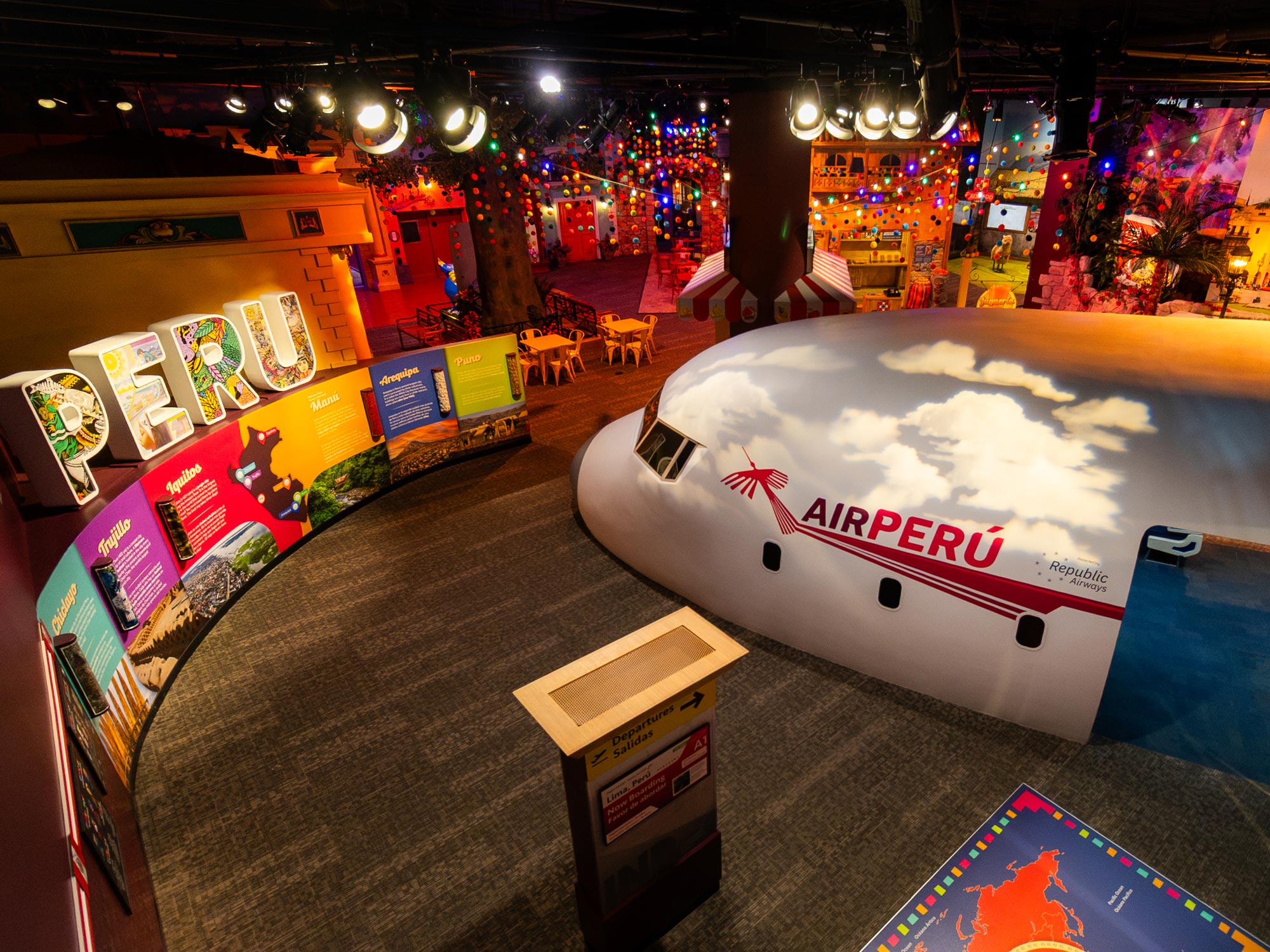
Homes and Environments
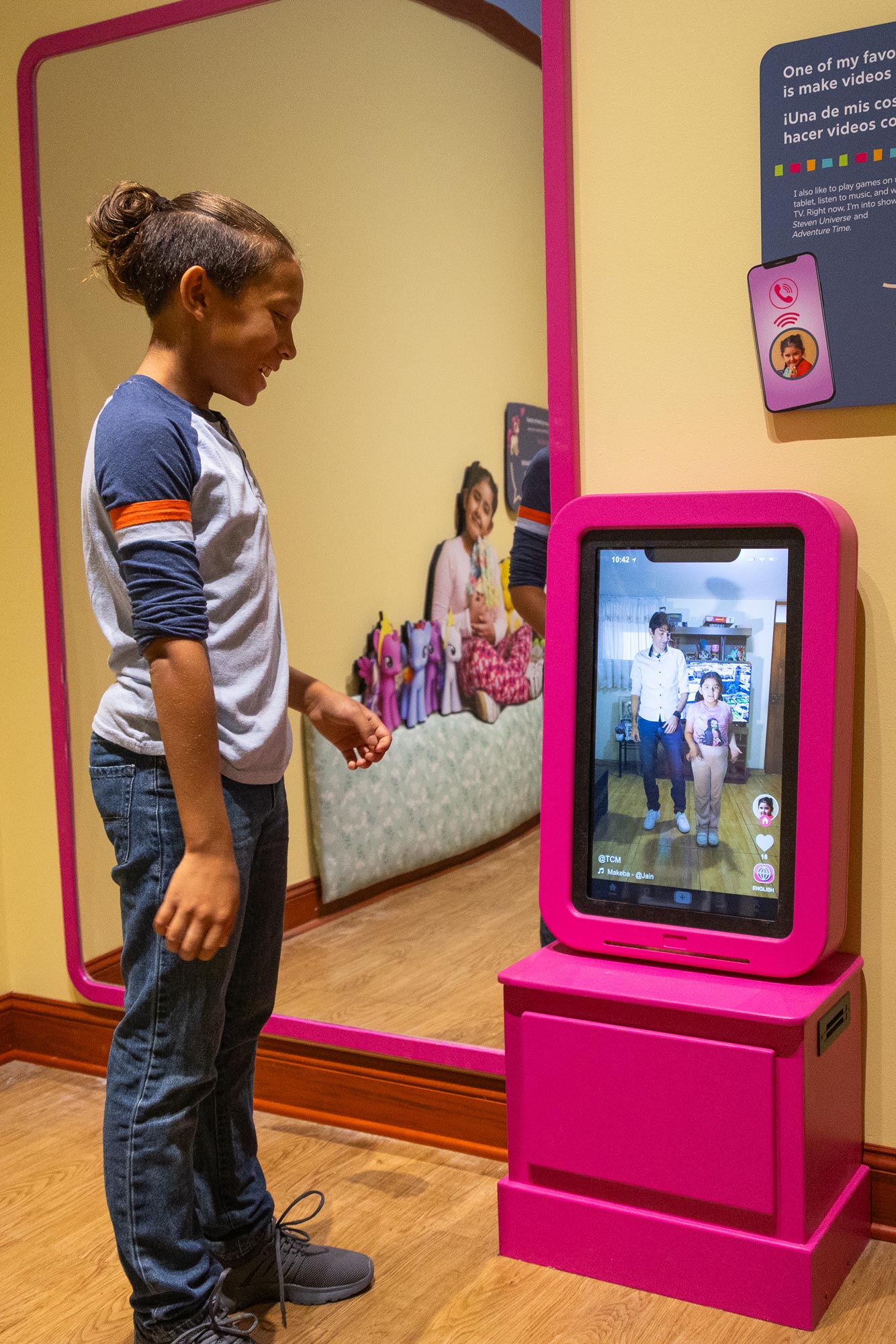
Just like in the U.S., homes in Peru can look very different from one another depending on where in the country you live. You can fully step inside the re-created Peruvian home of the Barriga family, who live in the city of Arequipa. You can also peek into the home of a family that lives in a more rural community, located in the heart of the Andes Mountains.
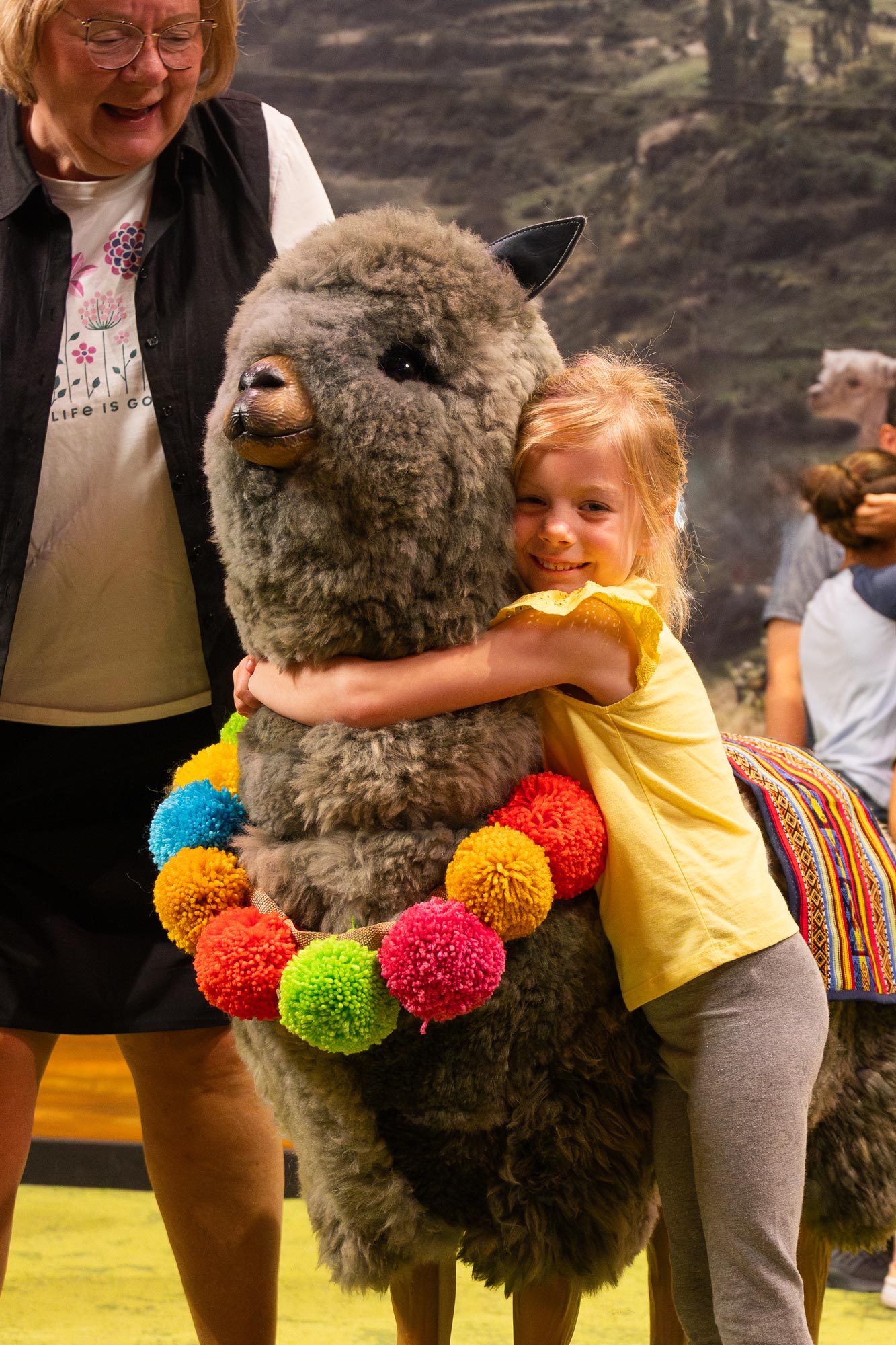
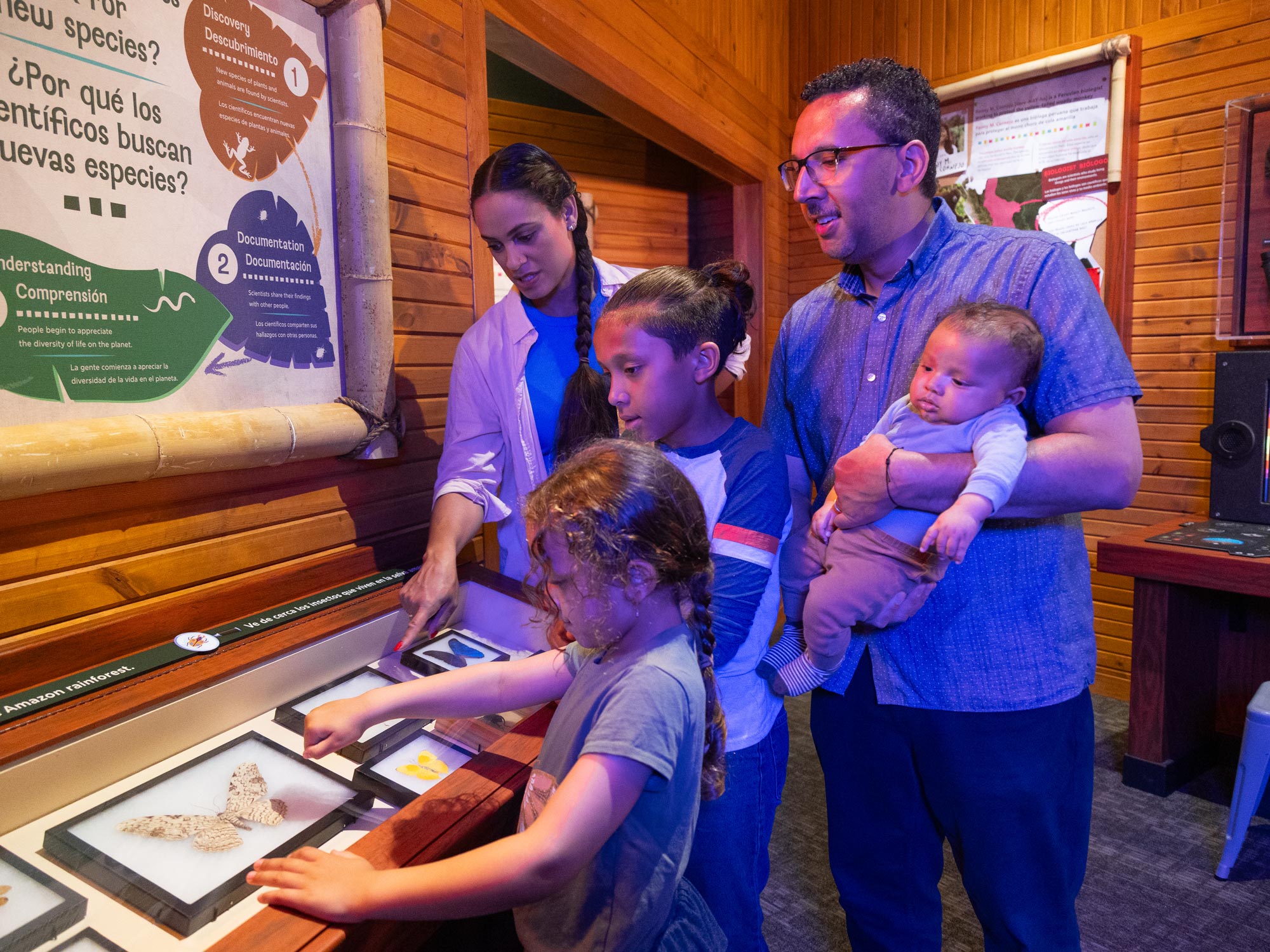
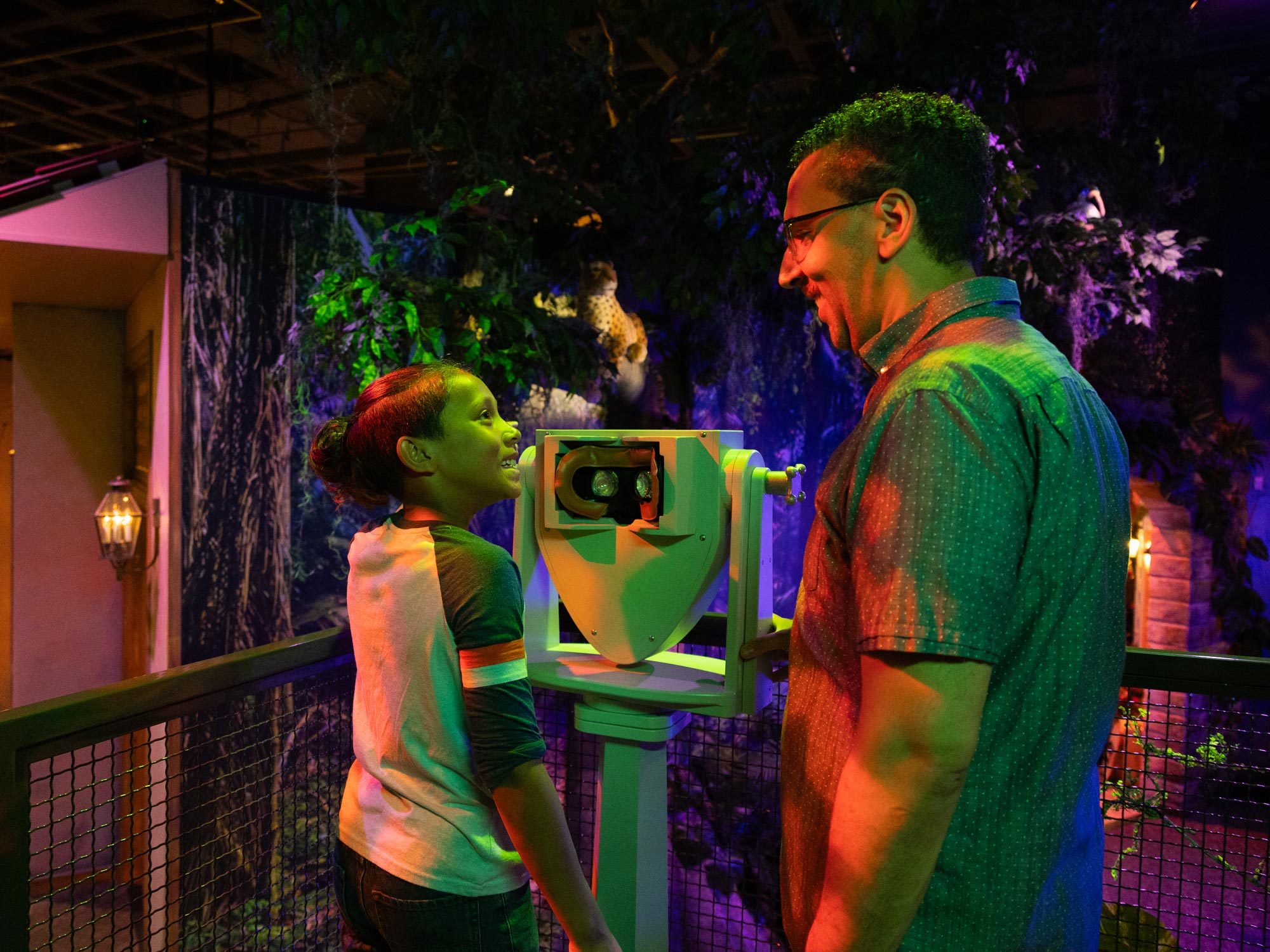
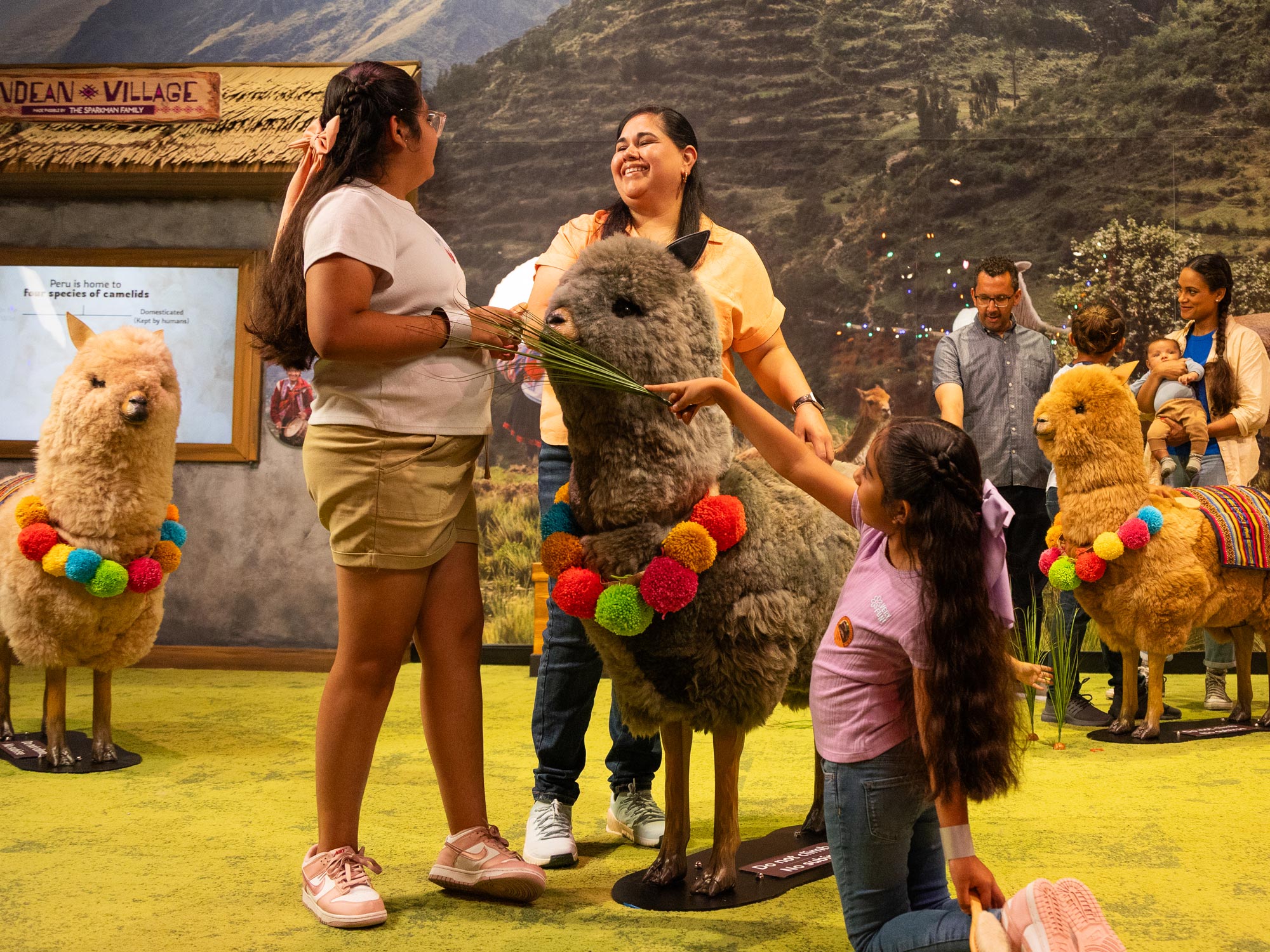
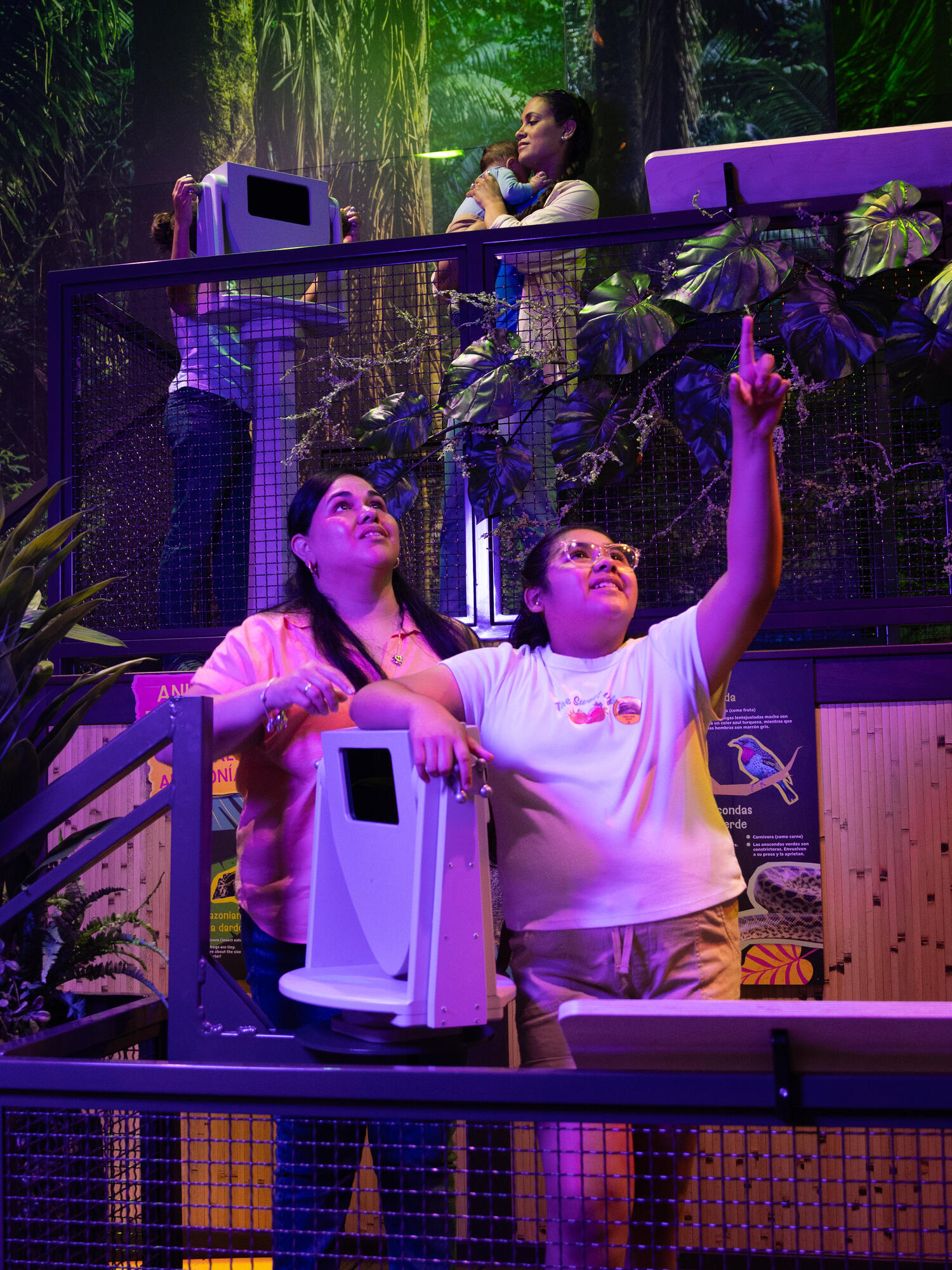
Join in “feeding” and “brushing” alpacas, who are a significant part of Peruvian culture and the economy! In fact, Peru has the world’s largest alpaca population. Additionally, be inspired by real-life efforts to preserve and conserve the ecosystem and endangered species of the Amazon rainforest at the Rainforest Research Center. Don’t forget to step up high onto a canopy lookout in the rainforest to feel like you’re up in the trees!
The Marketplace
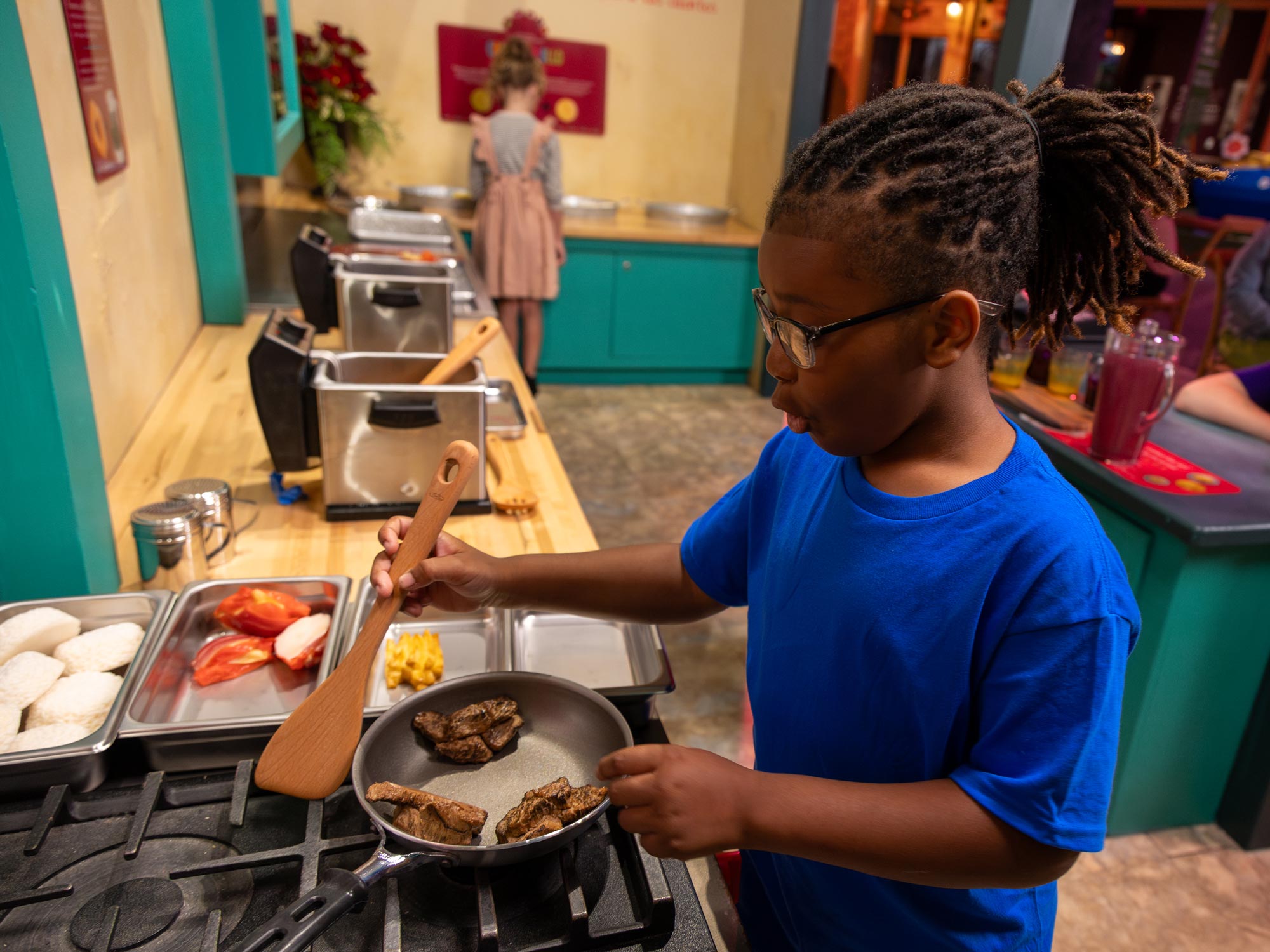
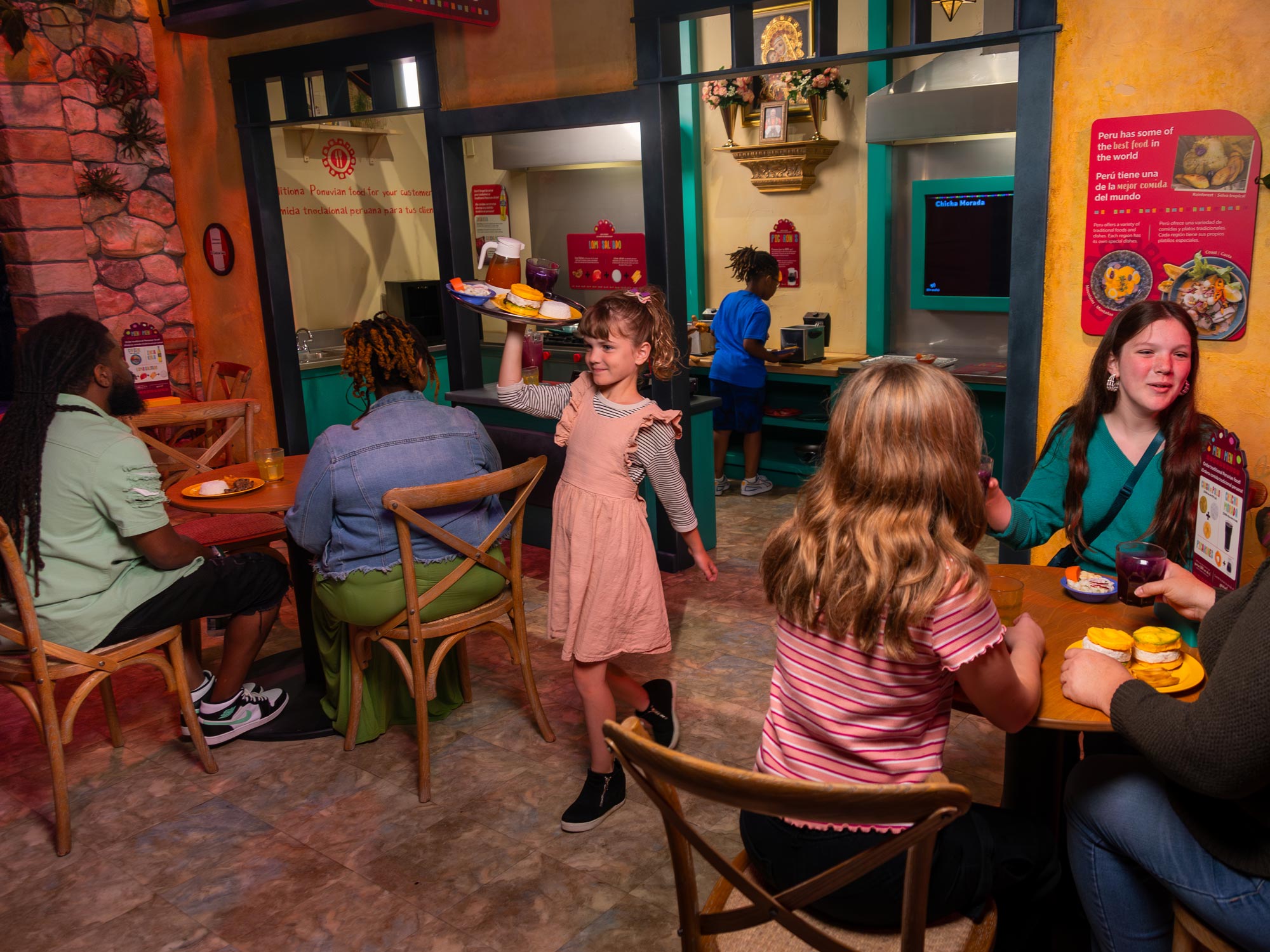
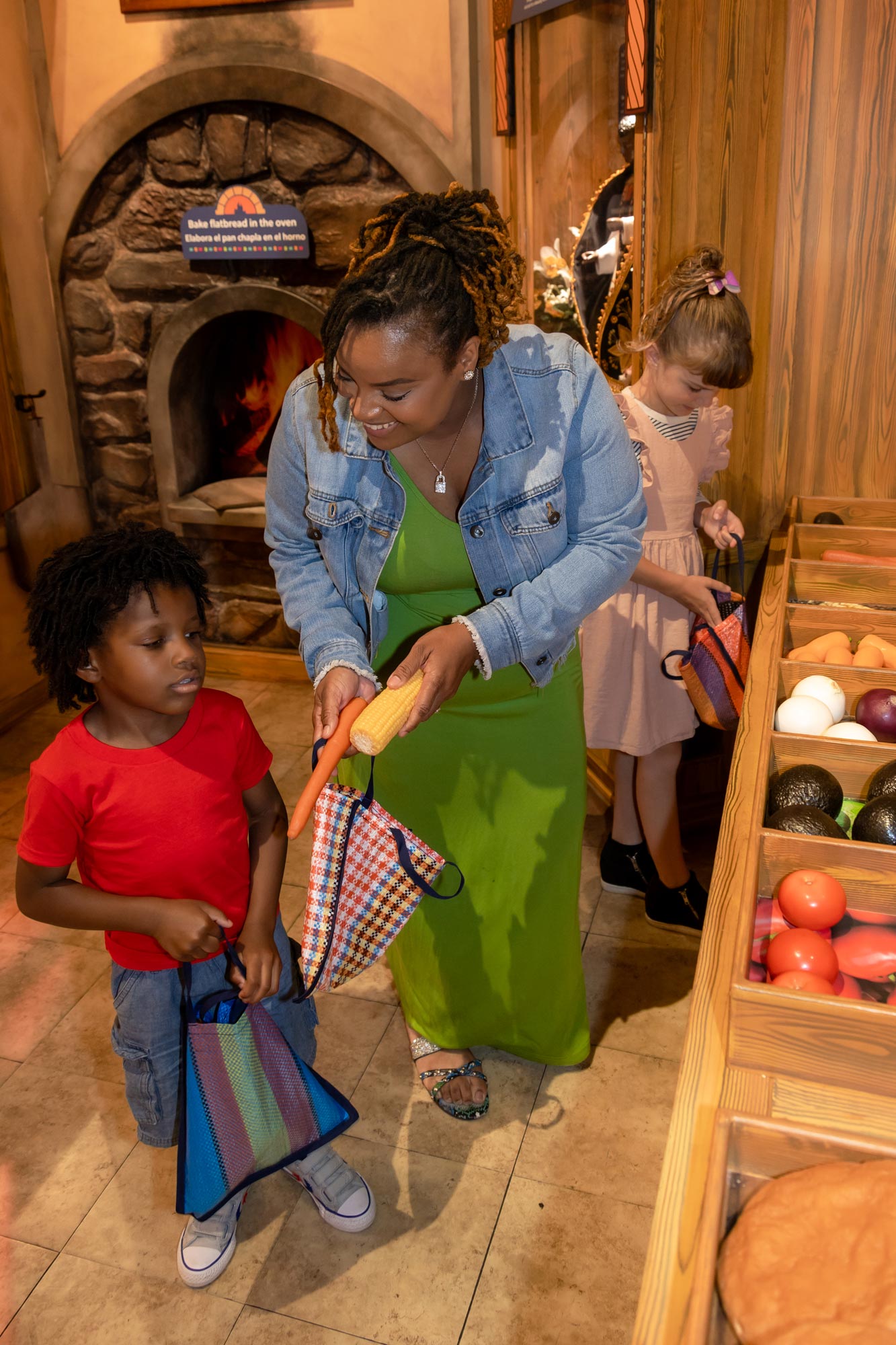
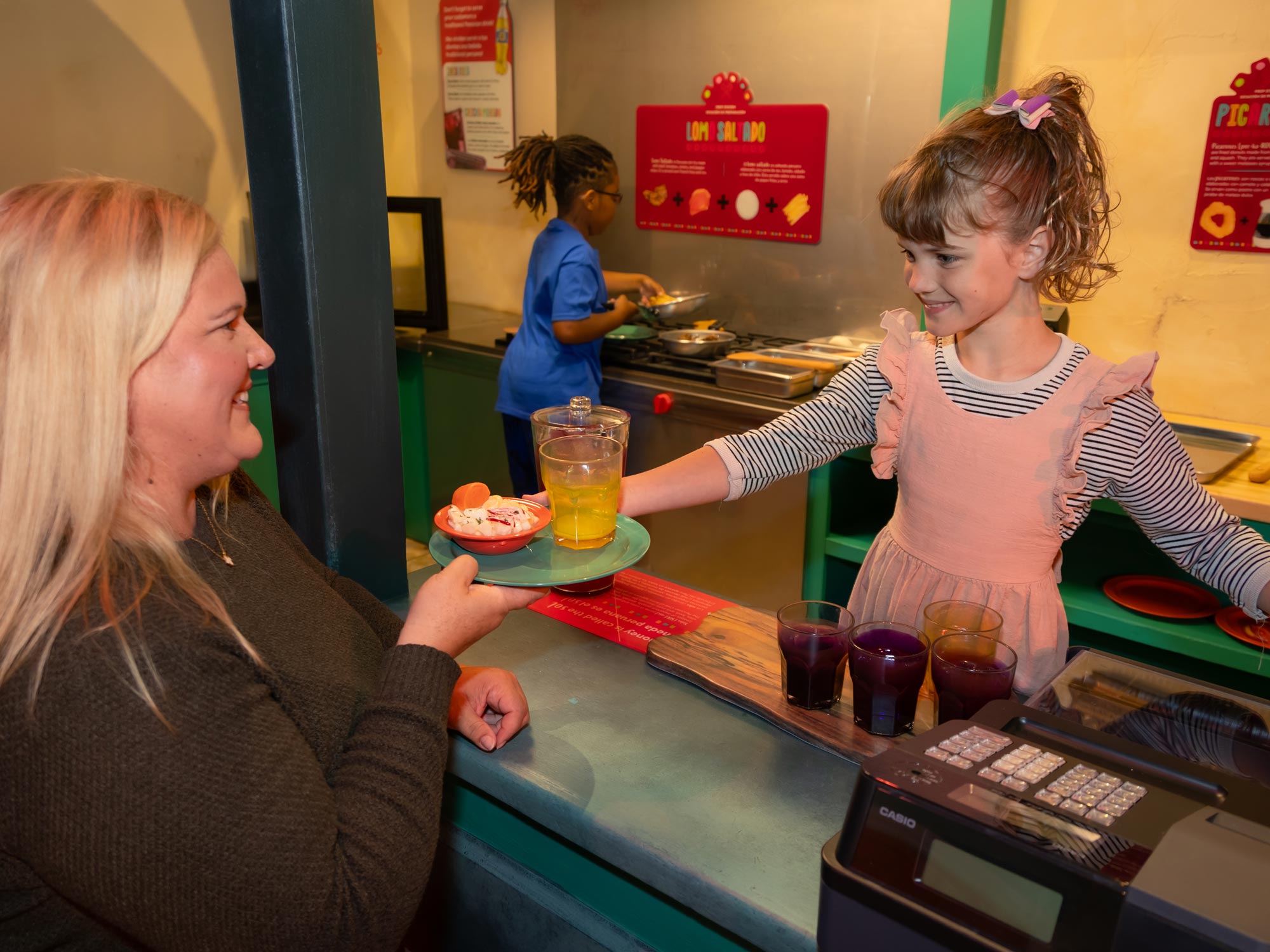
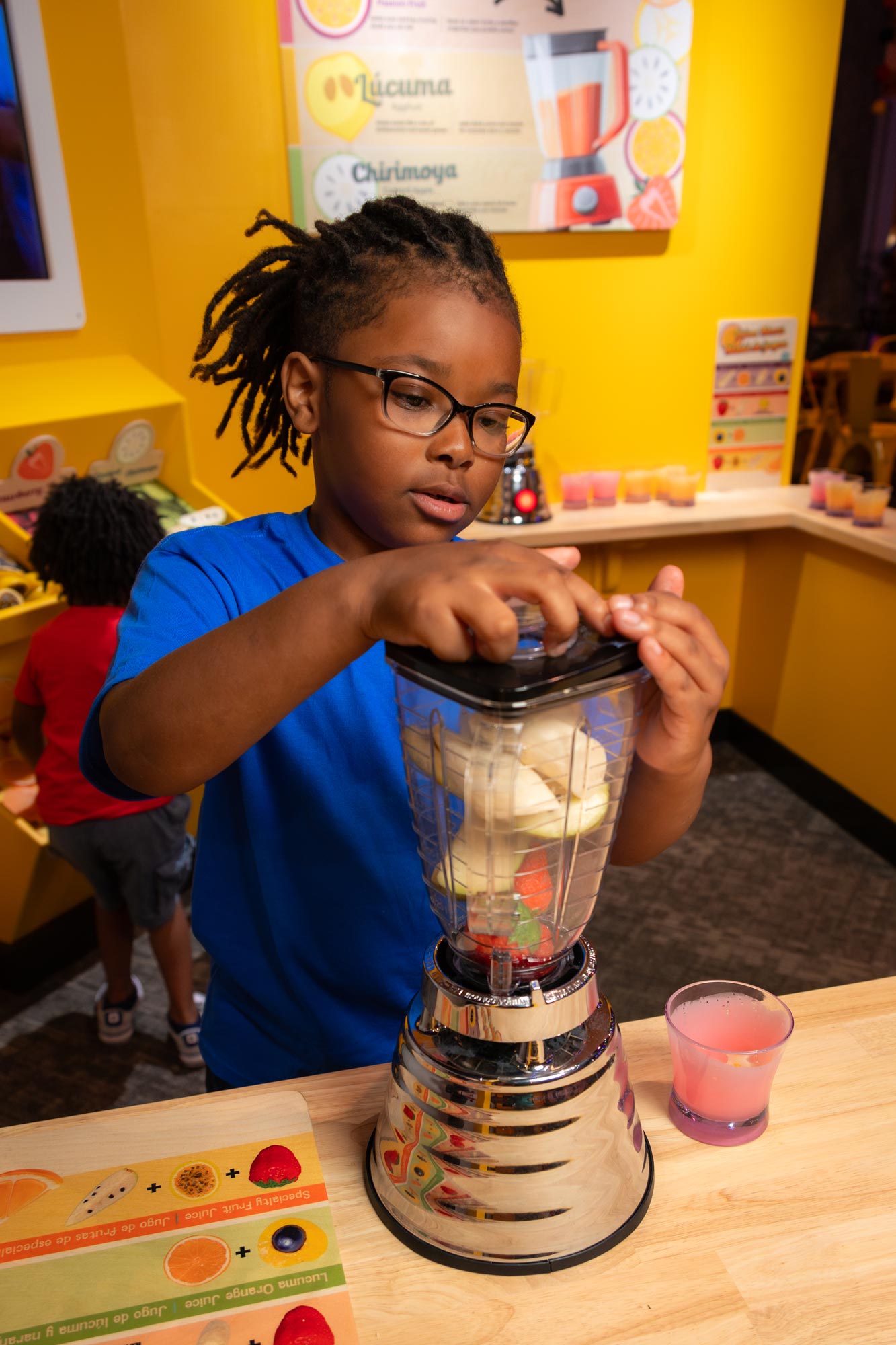
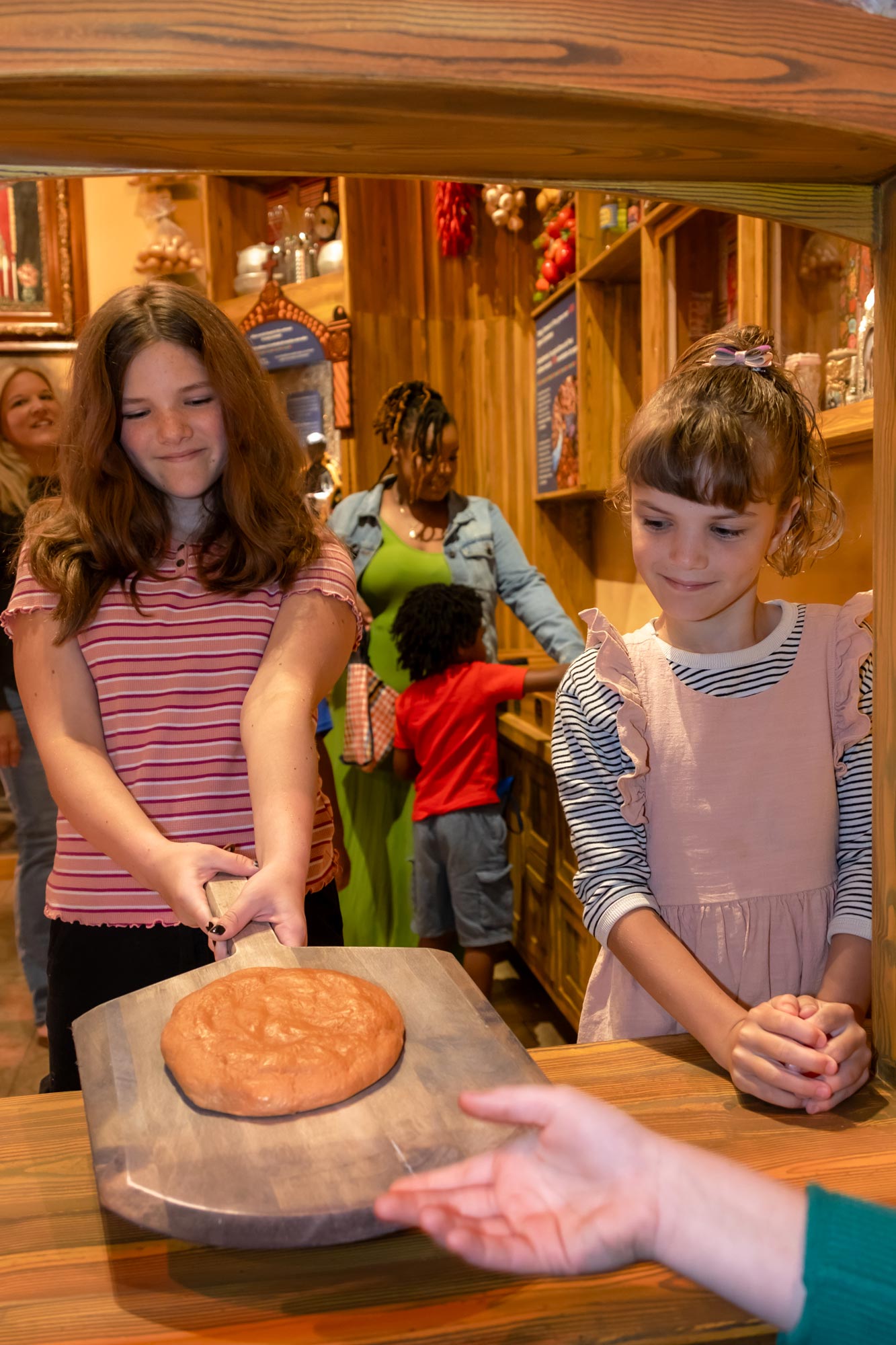
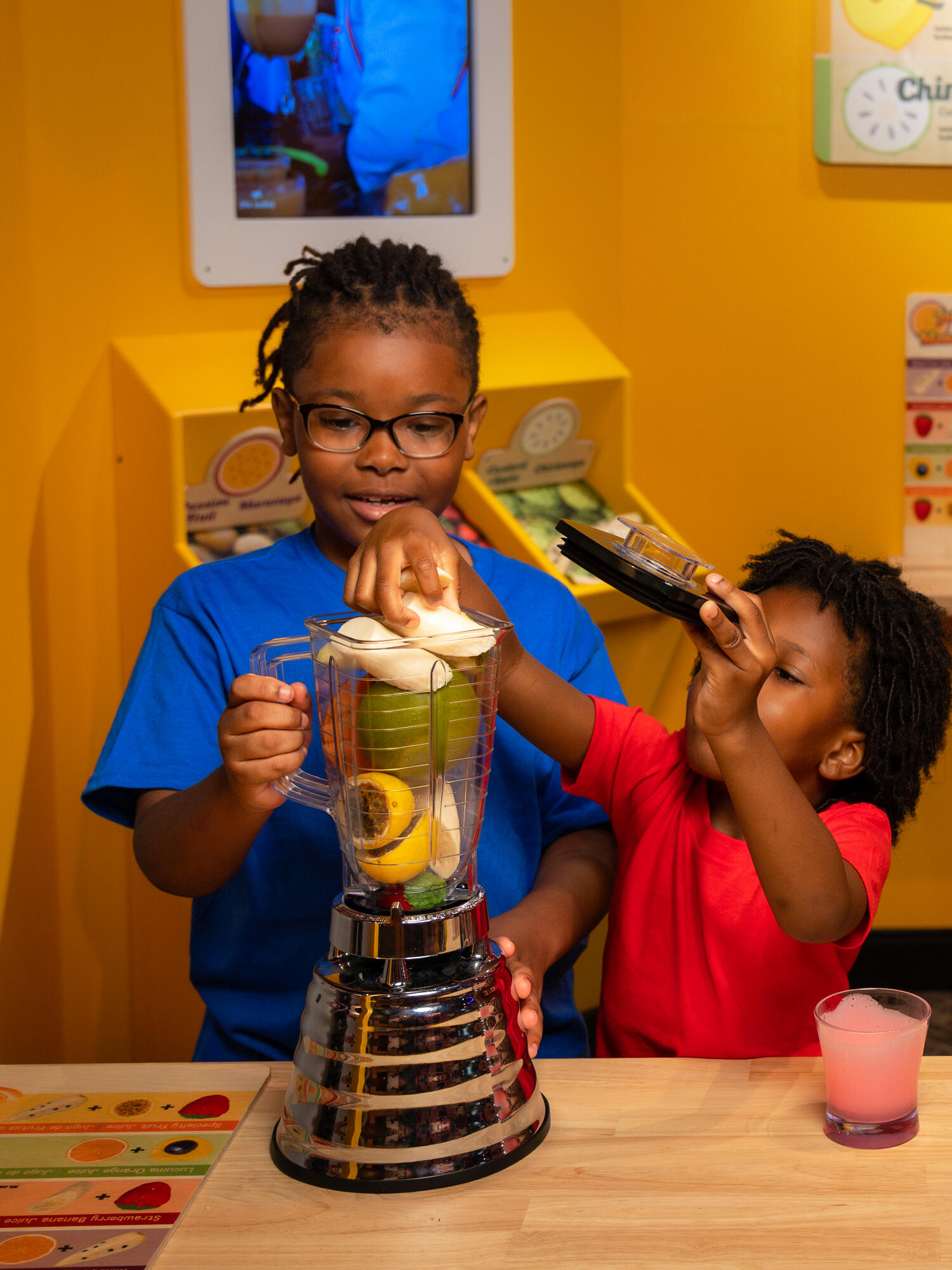
Fresh, locally grown food is an essential part of everyday life in Peru, and there’s no better place to buy, sell, or enjoy it than in a traditional Peruvian marketplace. Here you can perform the roles of shopper or vendor, play with pretend foods that represent various regions in Peru, and visit the colorful juice stall to “prepare” or “order” a tasty, fruity beverage.
Make sure to also check out the weaving center, which honors the rich tradition and historical significance of woven textiles in Peru.
School
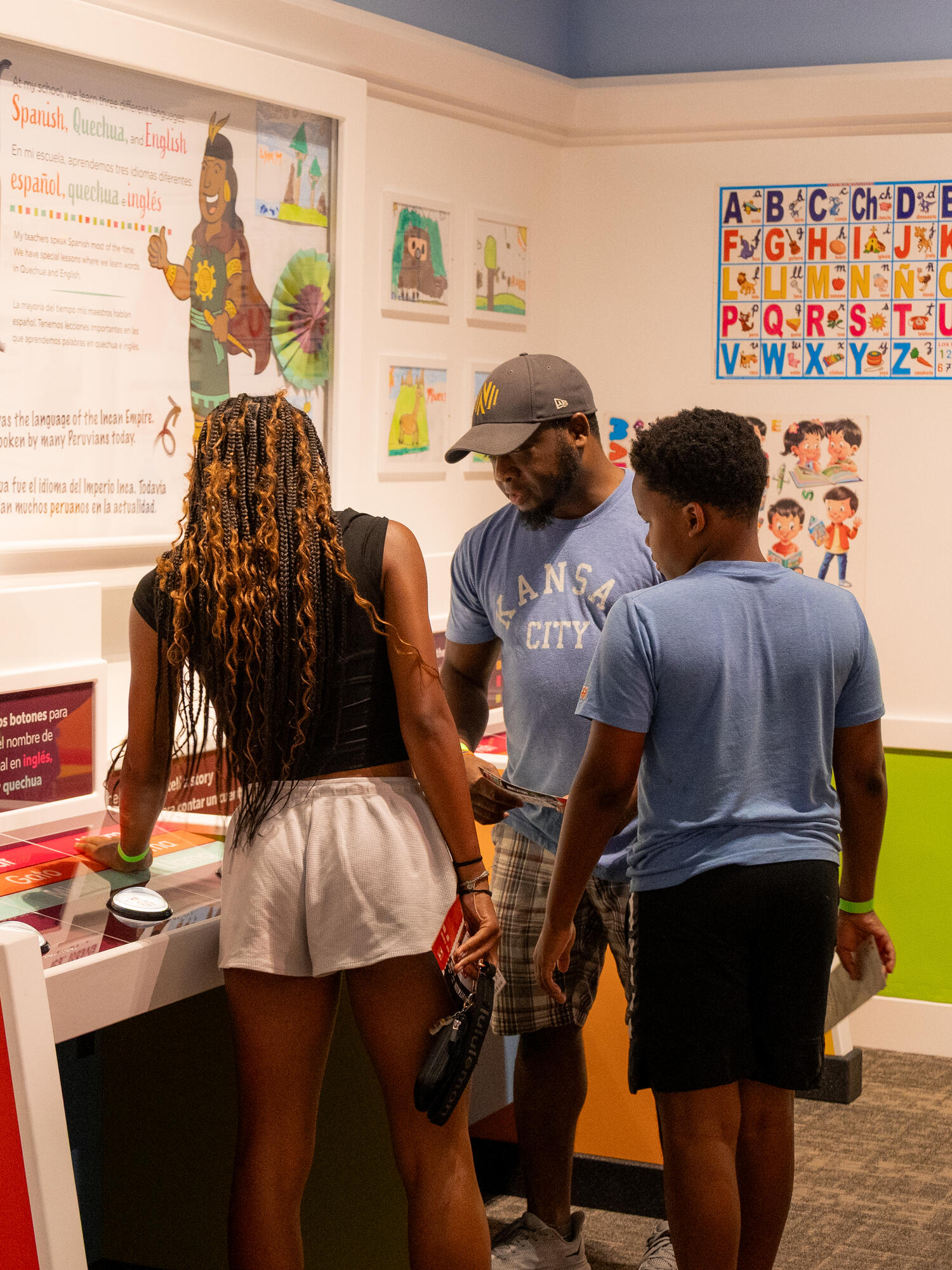
For the first time ever in the Take Me There® series, you’ll be able to step inside a re-created school classroom! At the school, you’ll learn what a typical Peruvian school day is like, check out typical student interests and discover how language is taught in Peruvian schools. Often two or more languages are learned at a young age!
The Arts
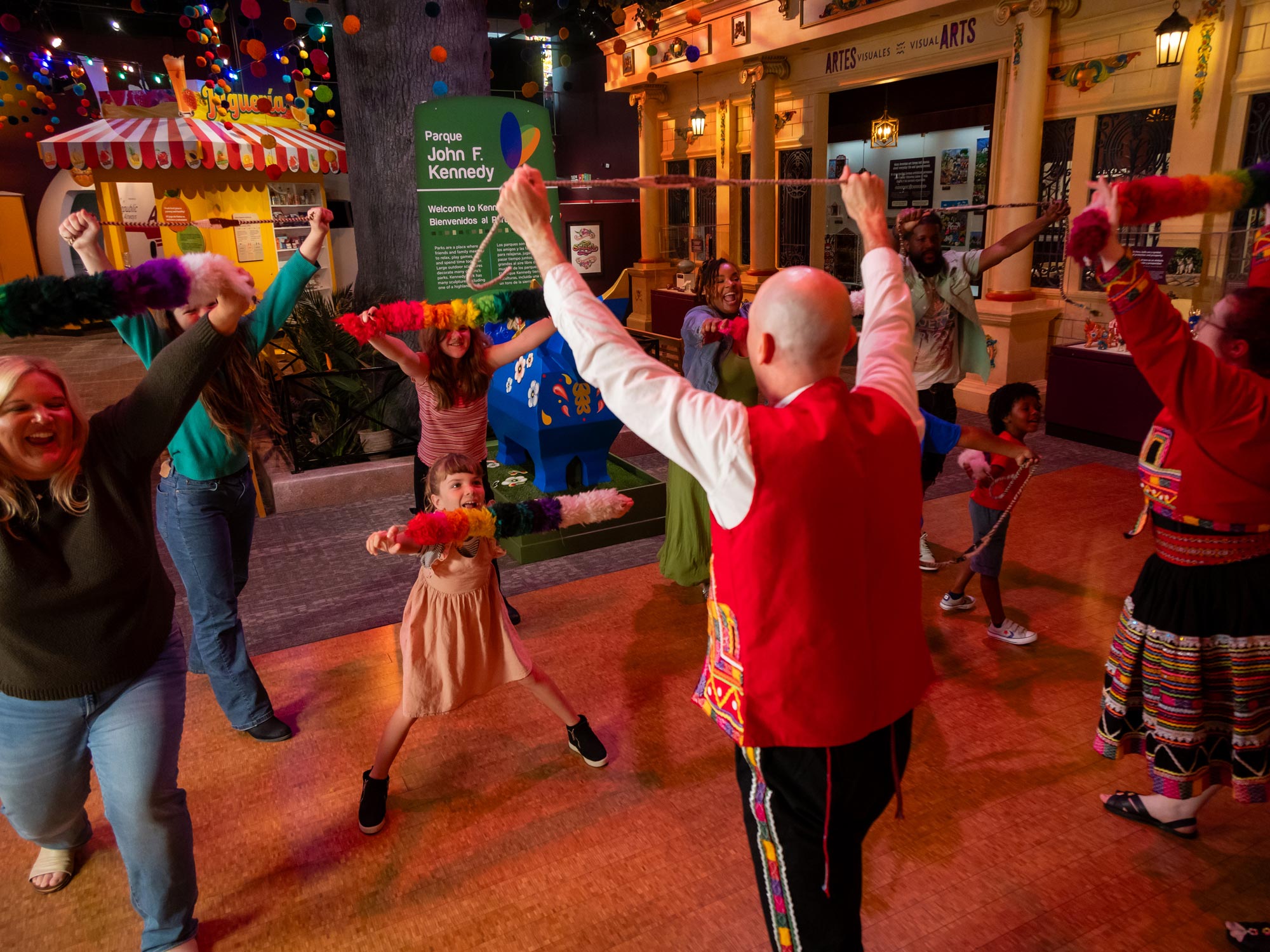
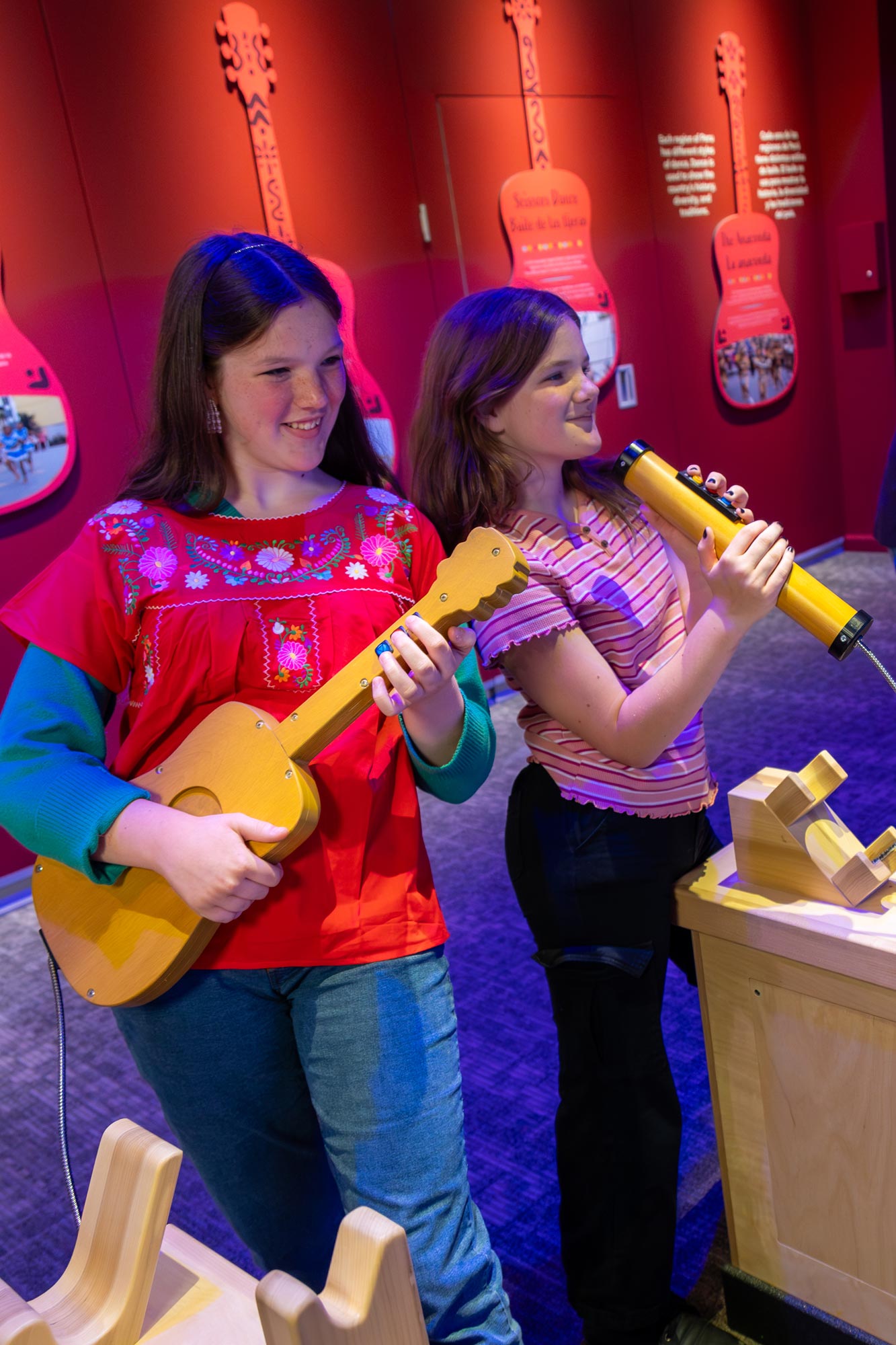
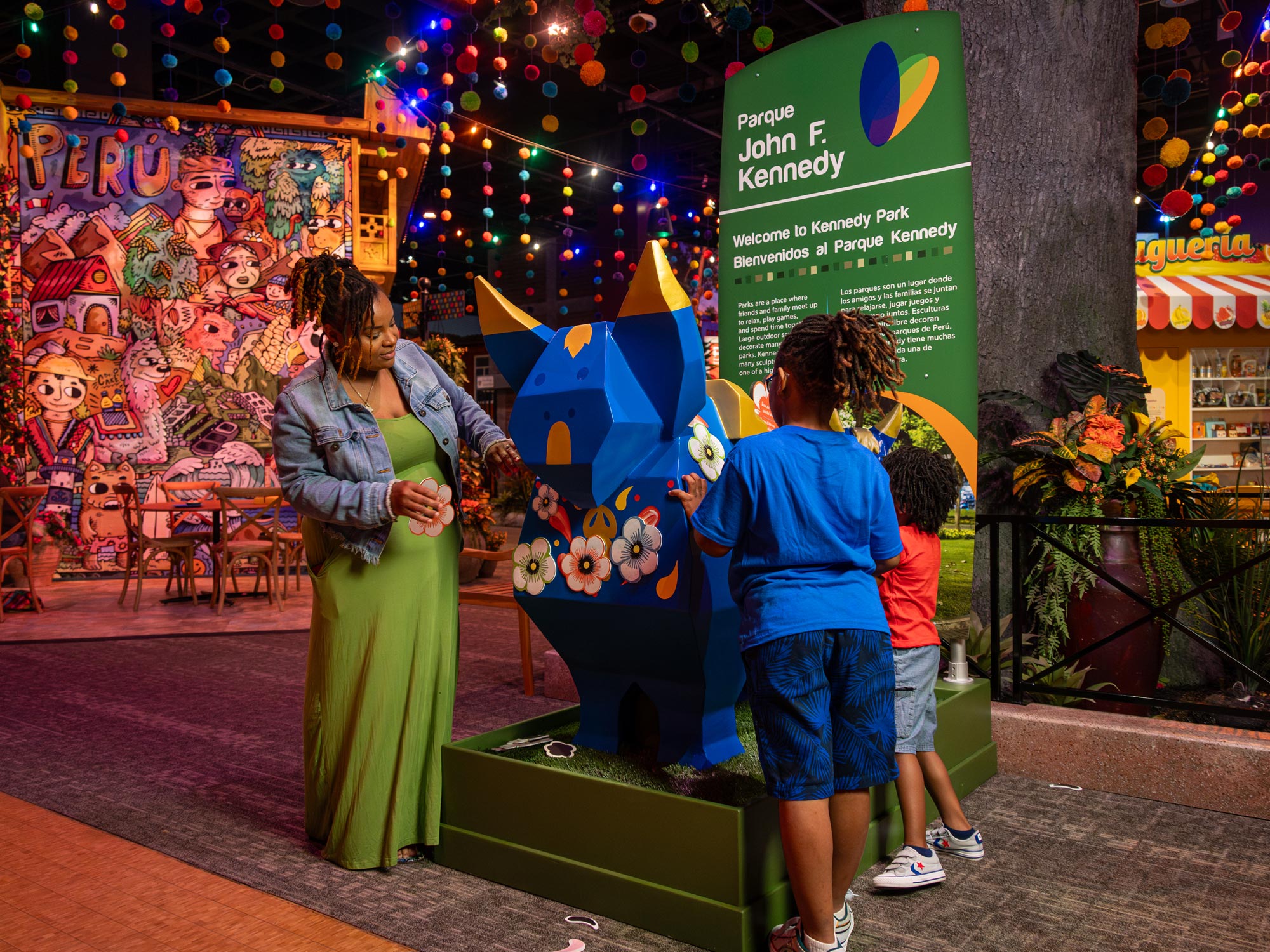
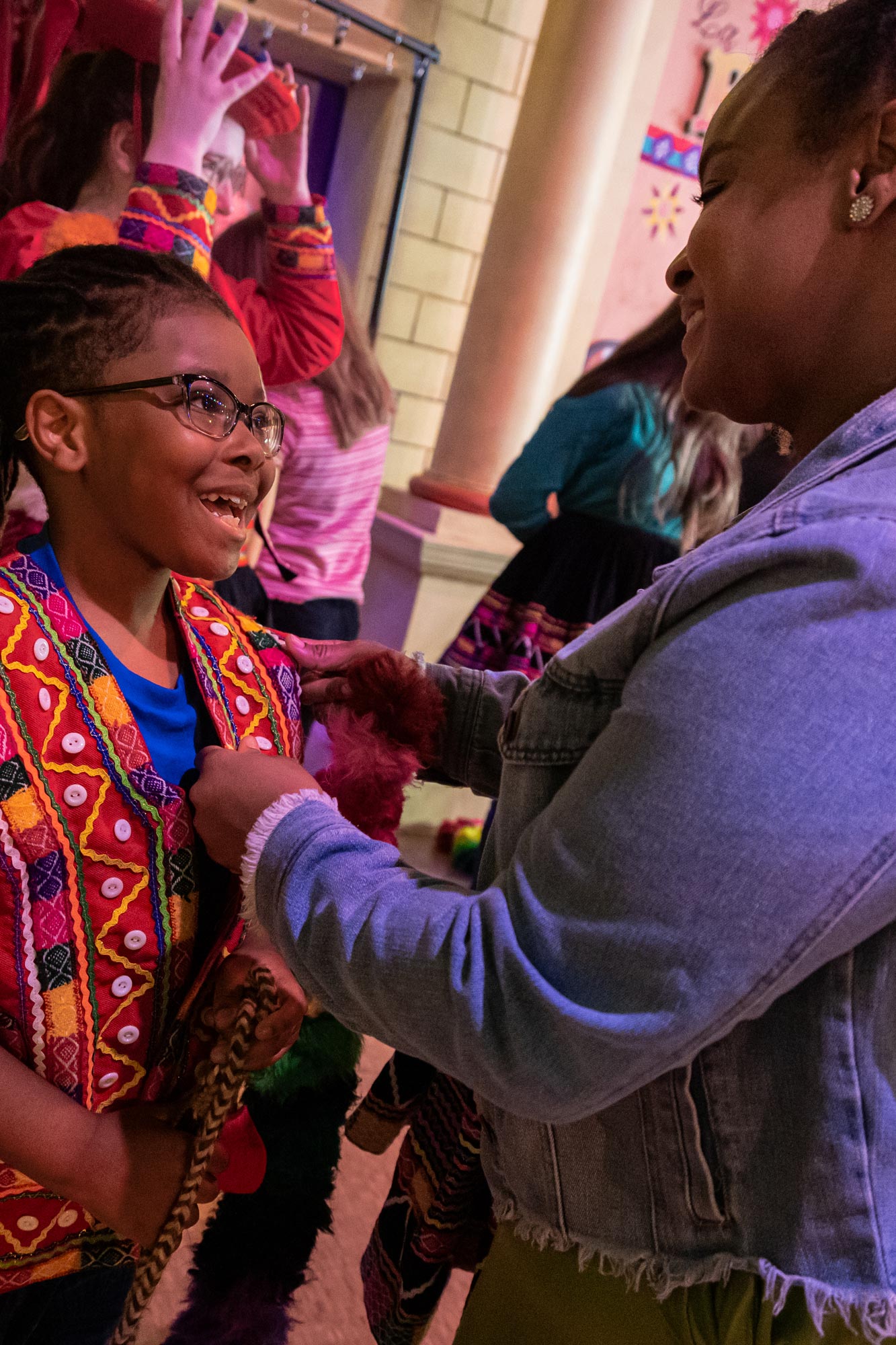
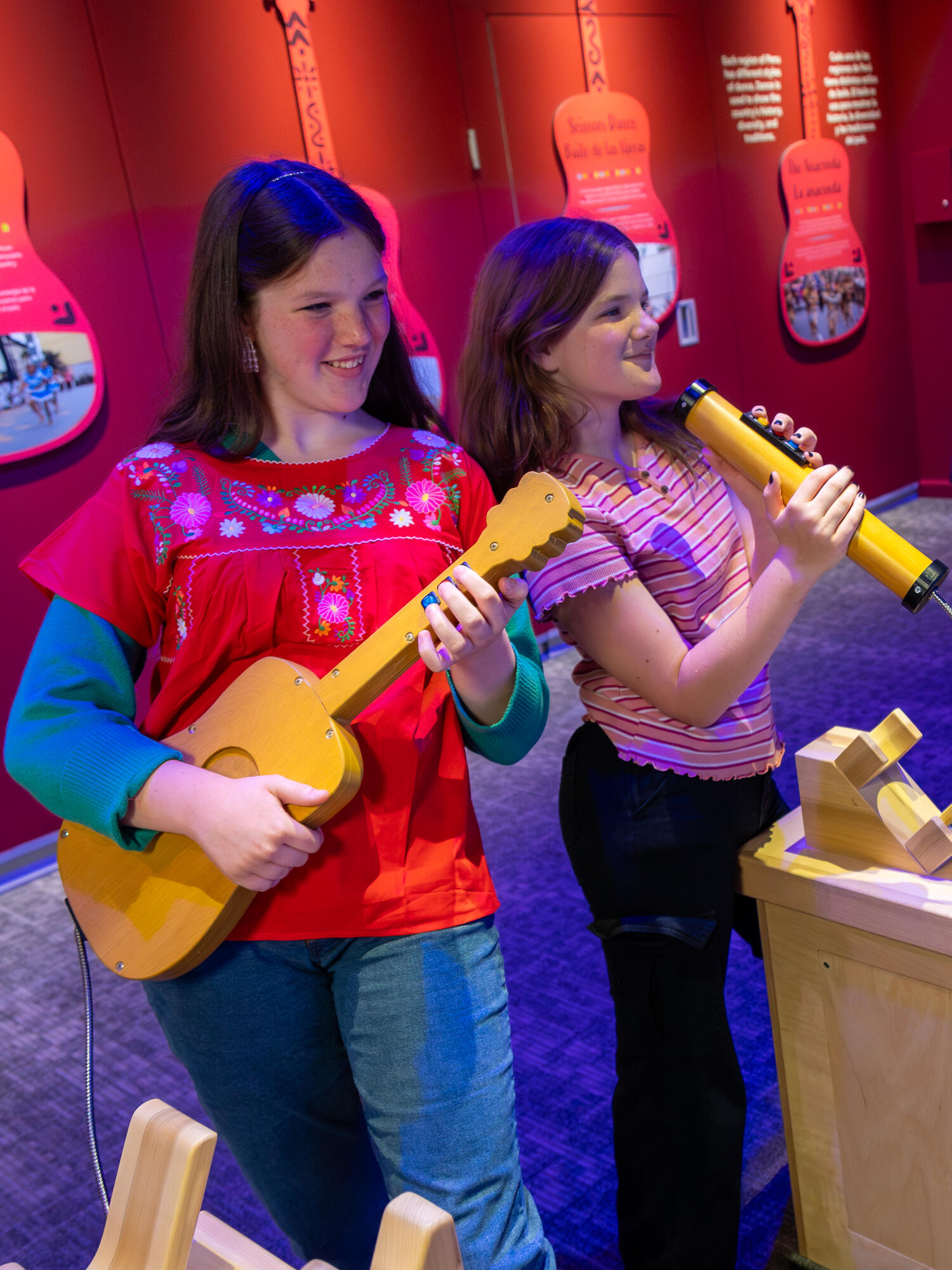
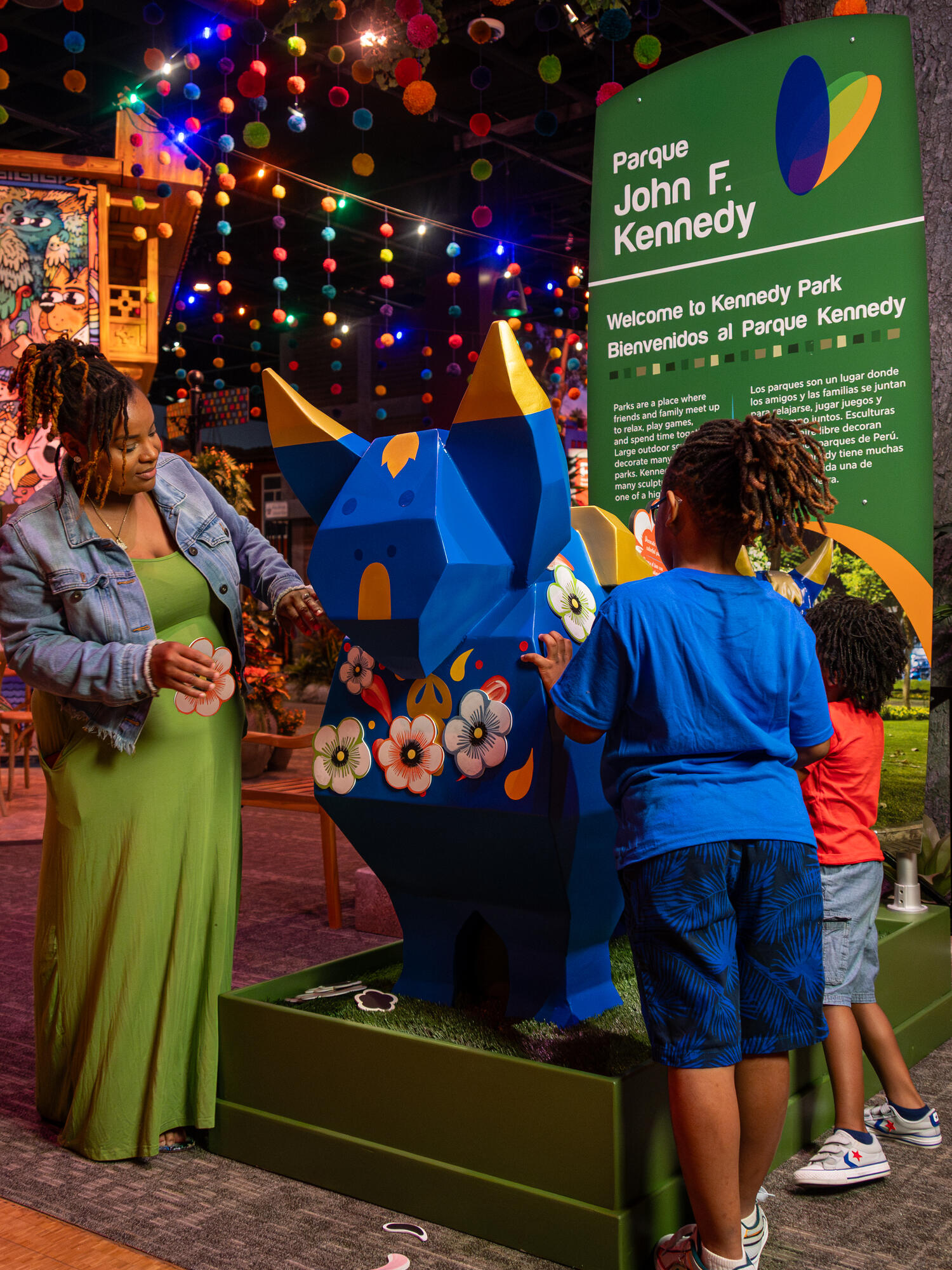
Discover a diverse array of visual and performing arts! You can see examples of various visual arts, including retablos, quipus, ceramics, and silverwork, and learn about the influence of ancient artforms and techniques on modern-day arts and culture. You can also learn about performing arts through traditional dress, musical instruments, and dance!
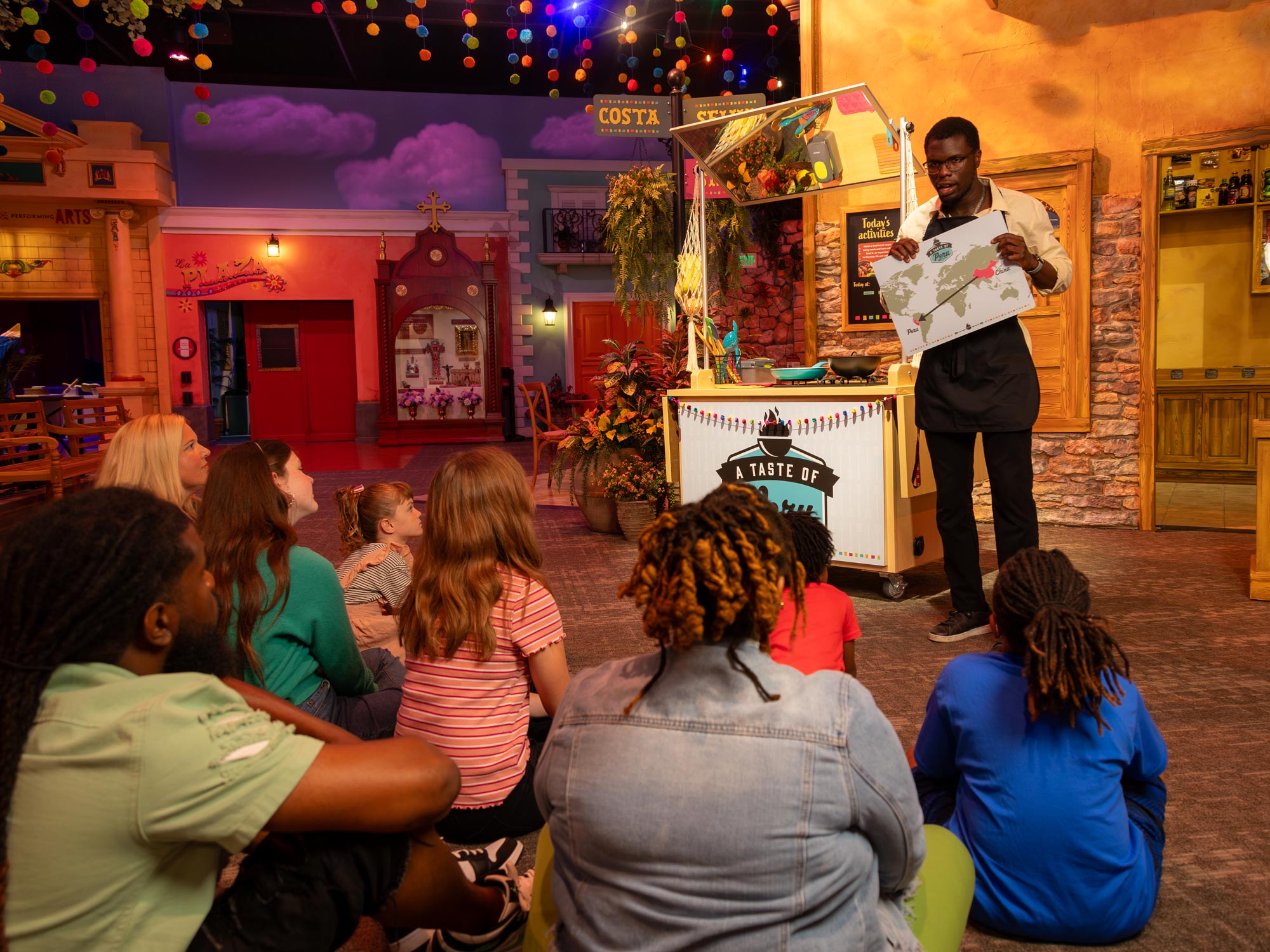
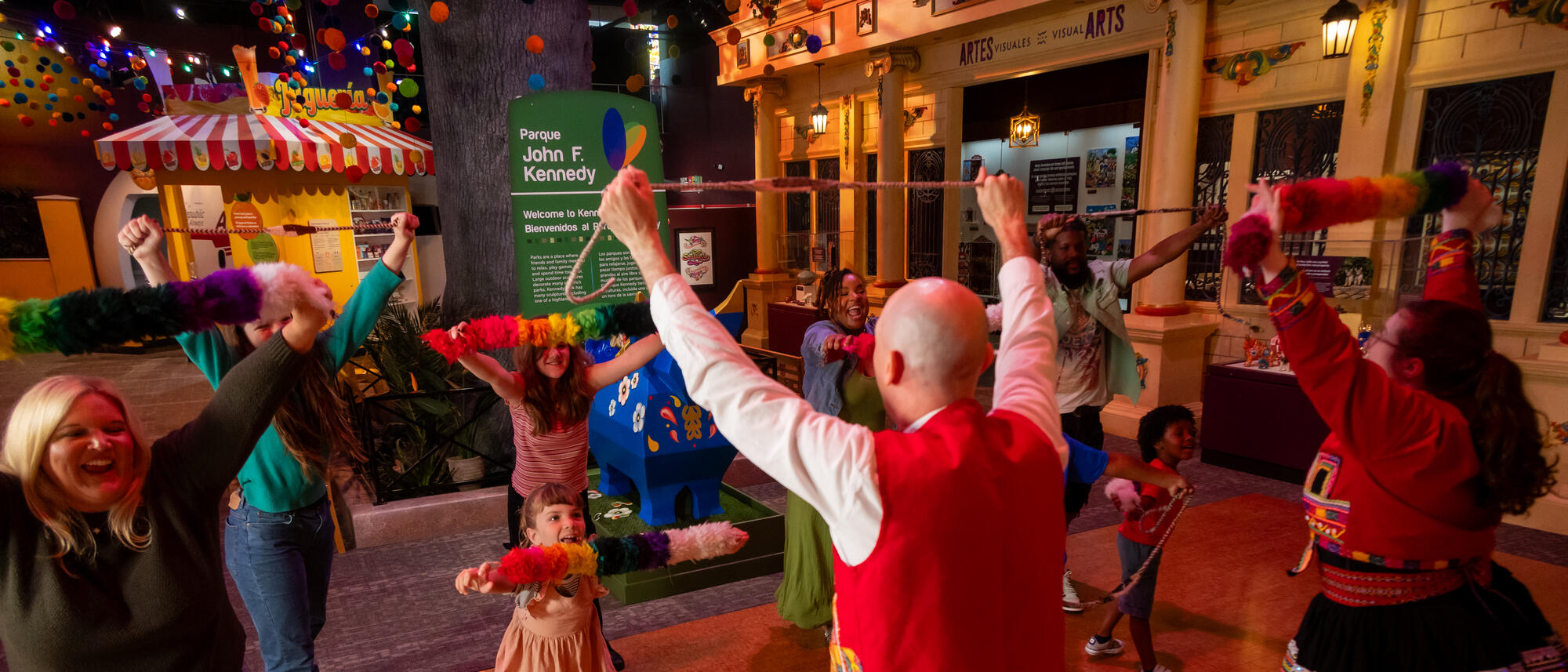
Participate in a variety of our immersive daily programs that pertain to the arts in Peru through traditional dances, games and music.
Language and Communication
While many people in Peru speak Spanish, there are 48 Indigenous languages recognized and used throughout the country today. Throughout the exhibit, you can practice saying simple words and phrases in Spanish and one of the many indigenous languages, Quechua.