How Do the Animals Featured in WinterFaire Prepare for Winter?
How Do the Animals Featured in WinterFaire Prepare for Winter?
by Isabella Rocca
Box Office Sales Assistant
As the seasons change, animals in different climates must prepare themselves and their homes to last during the winter season. Depending on the region, preparing for the seasons can look very different for many animals.
Have you ever wondered how the creatures featured in our WinterFaire exhibit prepare for winter? Let's take a look at how the real-life animals prepare for the short days and long nights of winter.
Ember the Red Fox
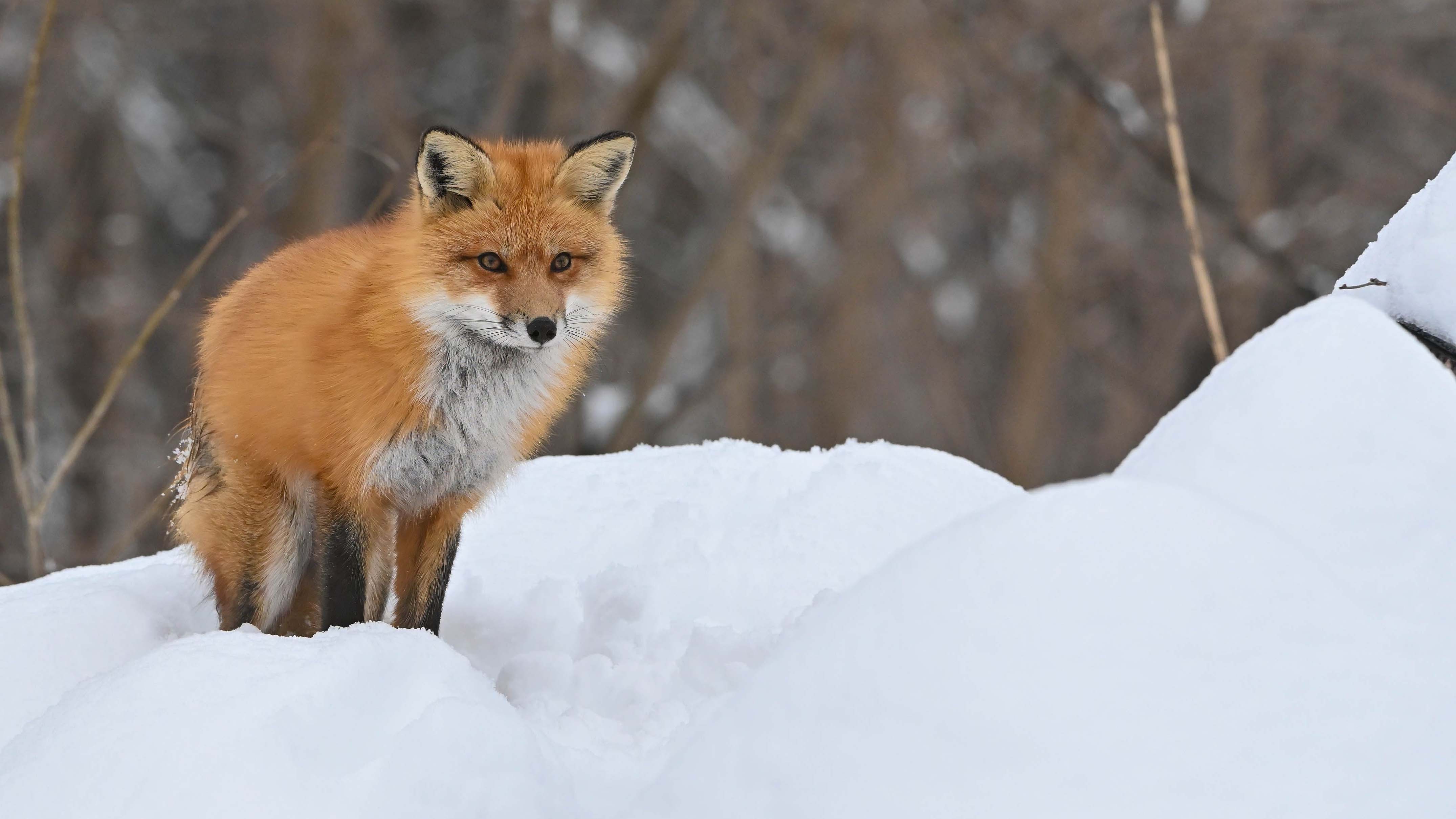
Red foxes can be found all across the Northern Hemisphere, but they are also found in parts of Africa, Asia, and Europe. Though red foxes are found across the globe, they are most common in the Northern Hemisphere. Compared to other animals, the red fox has an advantage other mammals don’t: thick fur! In colder climates, red foxes grow thicker fur coats to protect them from wind and snow. To keep extra warm at bedtime, they wrap themselves up with their fluffy tail and cover their nose to trap their body heat.
Learn More About Red Foxes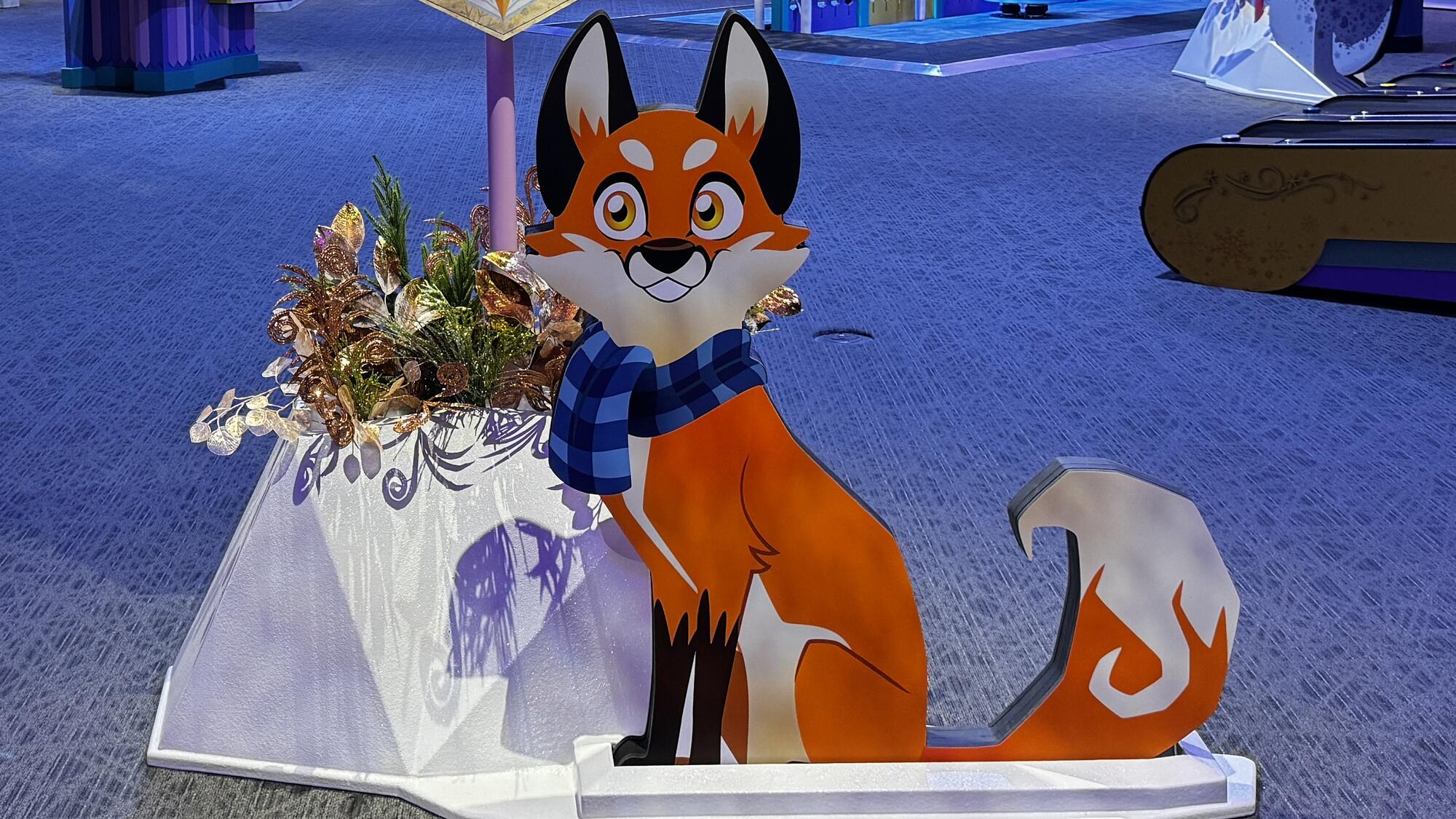
Indigo the Chameleon
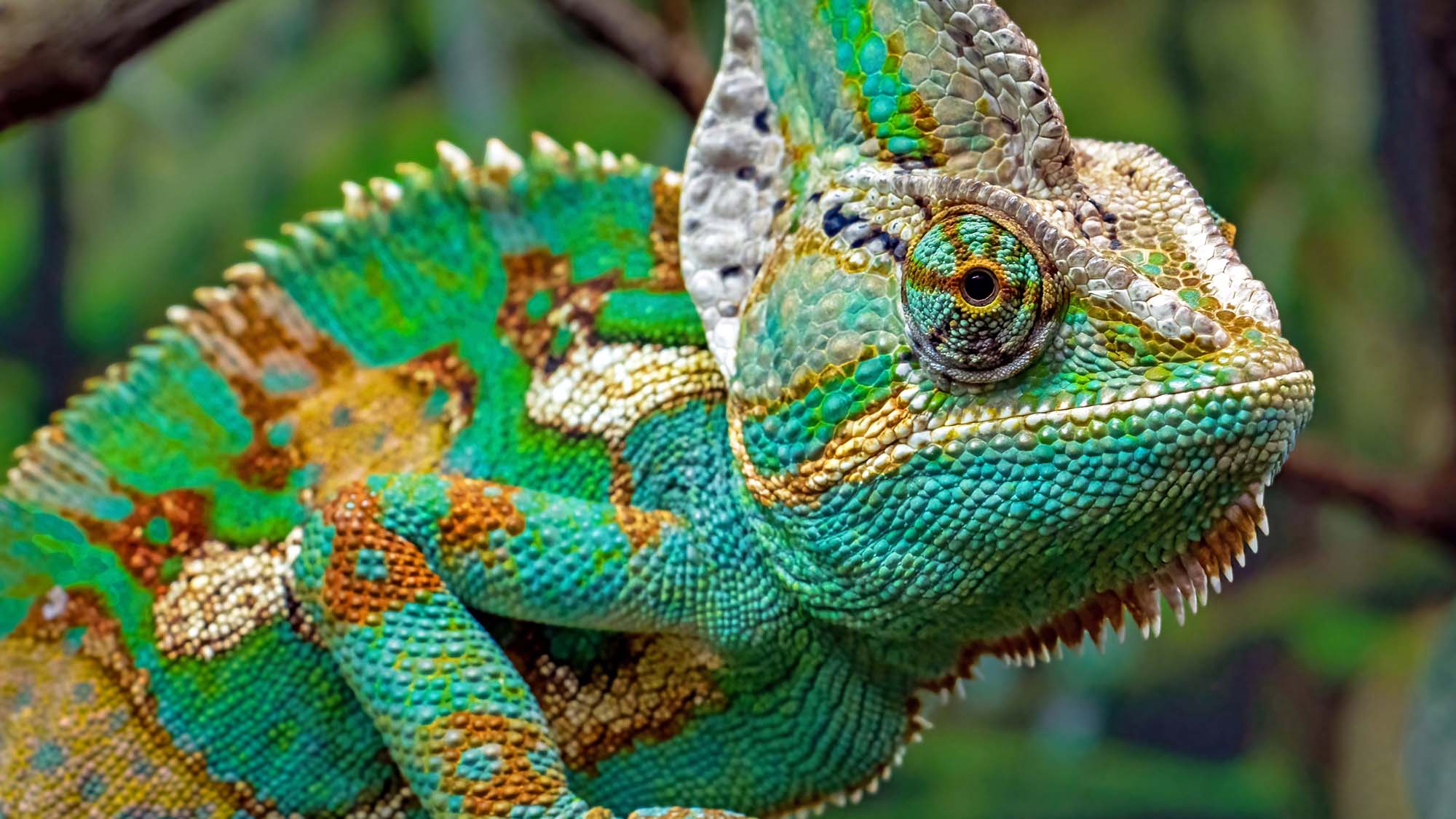
Most chameleons are found in environments with year-round warmer temperatures in tropical rainforests and deserts, mainly found in Africa. There is a smaller chameleon population also found in parts of India, the Middle East, and Southern Europe. To prepare for the winter, chameleons do not brumate, which is hibernation for cold-blooded reptiles. Instead, if chameleons know they are going to be exposed to cold temperatures in snowy environments in tall mountains, they can dig themselves into soil or nuzzle into dense foliage. This technique can also be applied to chameleons experiencing extreme heat!
Learn More About Chameleons
Flip the Harbor Seal
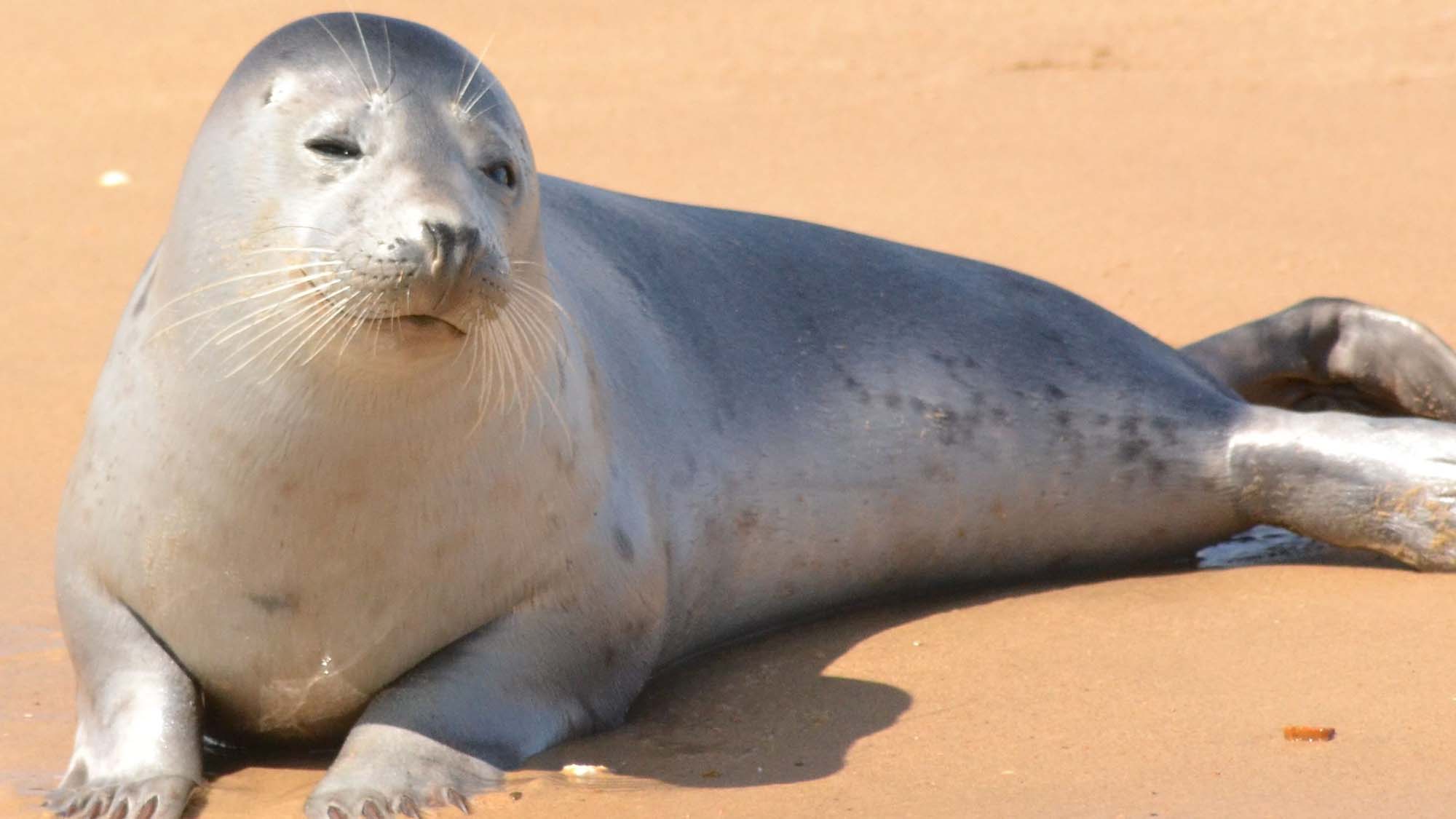
Harbor seals live along the coasts of Asia, North America, and Europe. They do not migrate in order to prepare for the winter, as they usually stay within 30 miles of their birthplace. However, they can travel up to 486 miles to find food or give birth. Harbor seals don’t have to prepare for the winter season as their bodies are equipped to handle the frigid water temperatures. They have a thick blubber layer, which is fat under their skin that keeps them warm. Compared to similar mammals, harbor seals have a higher metabolic rate that causes them to generate more heat.
Learn More About Harbor Seals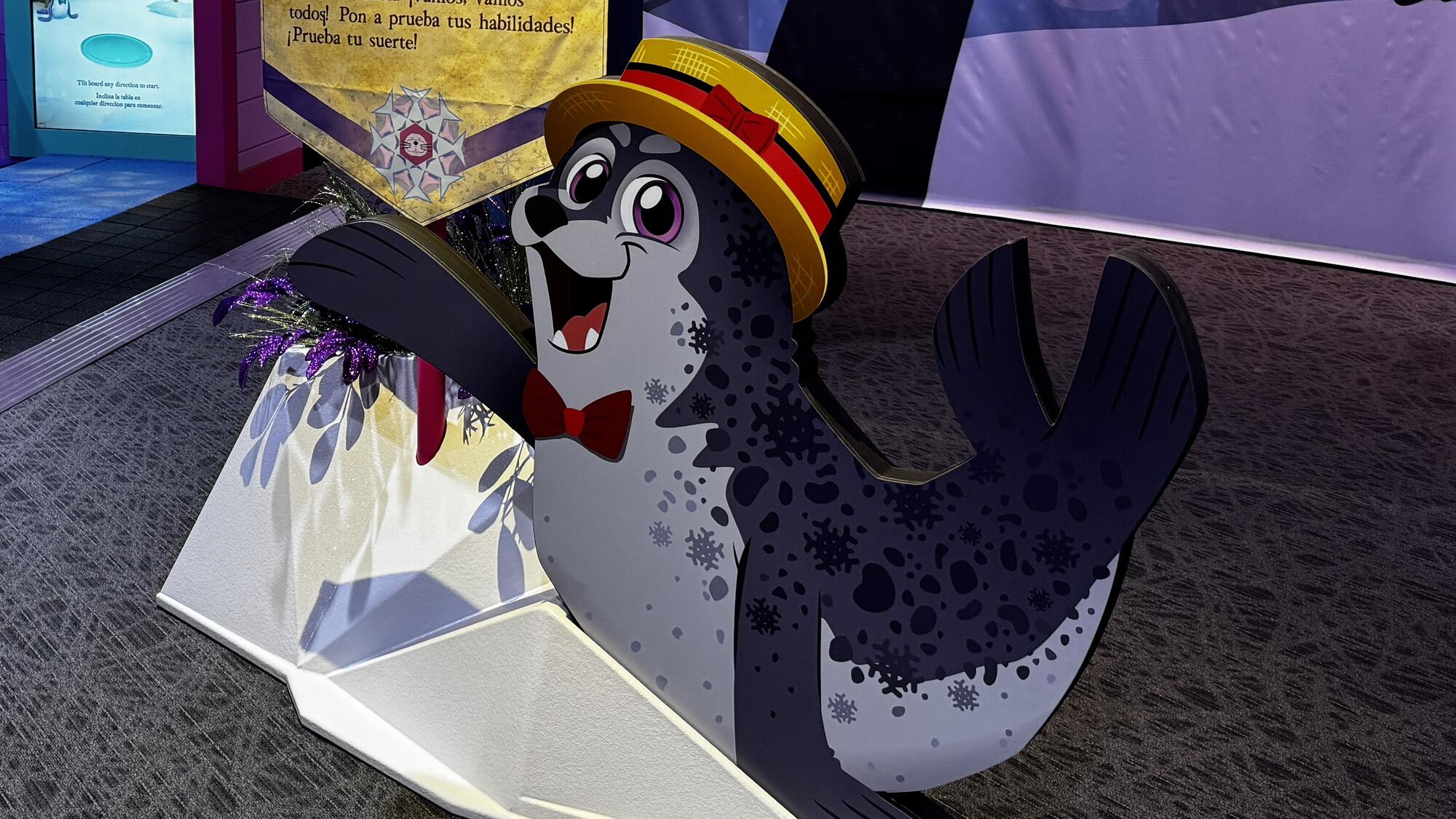
Storm the Ice Phoenix
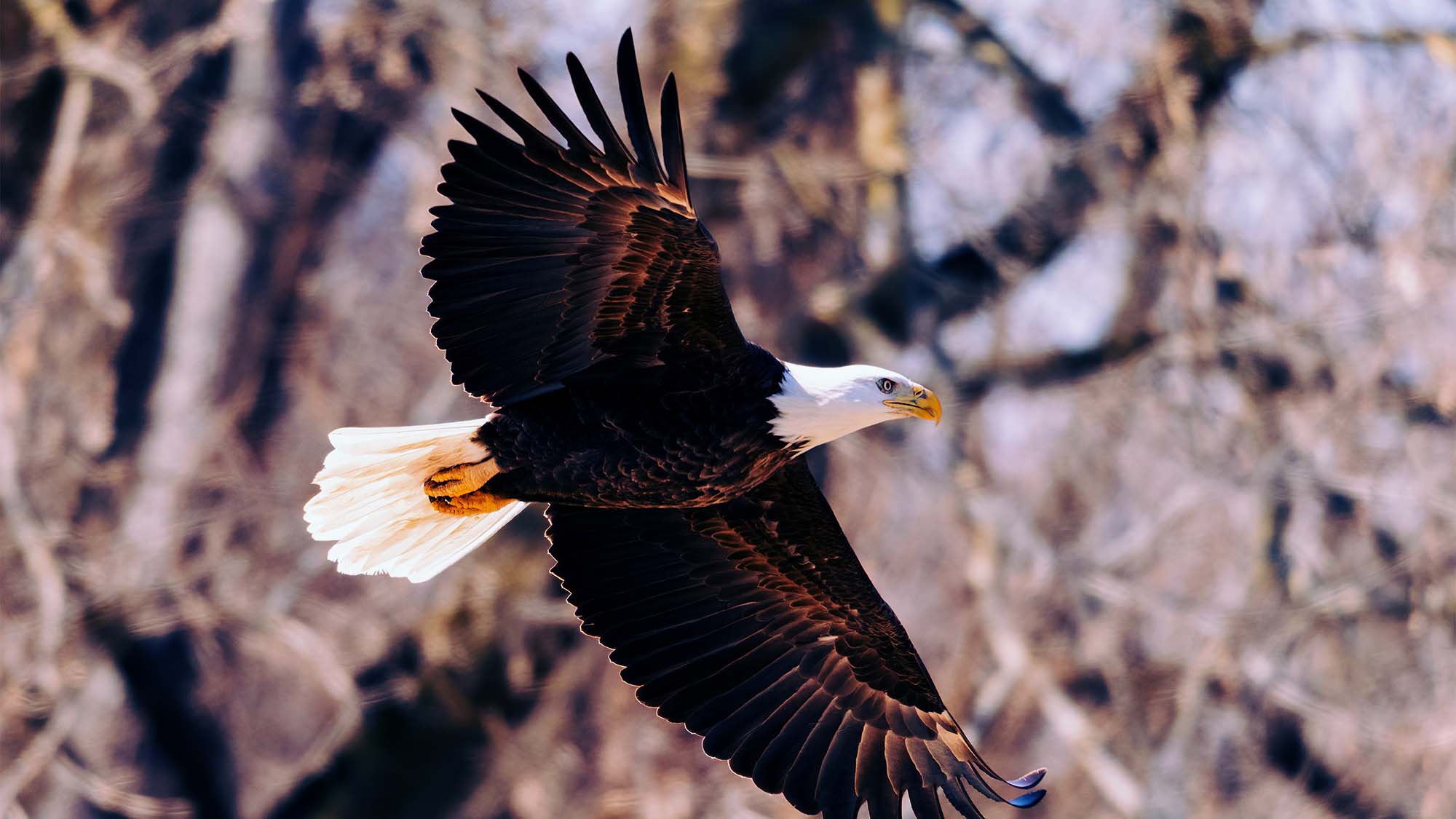
Storm the Ice Phoenix is a one-of-a-kind bird found in WinterFaire, but a similar bird is the bald eagle. Bald eagles are found across all of North America, spanning from Alaska down to Northern Mexico. Farther north, in areas where the waters freeze, bald eagles migrate south for better food and breeding conditions. But if the weather permits, they do not need to migrate. Unlike the red fox and the harbor seal, the bald eagle does not have thick fur or blubber to keep them warm. Instead, they change their behaviors in the winter so that they do not waste as much energy. For example, instead of constantly searching for and hunting prey, they conserve energy by scavenging more. Bald eagles also tend to gravitate toward open waters for food and other nearby animals that move toward the shore during the winter season.
Learn More About Bald Eagles
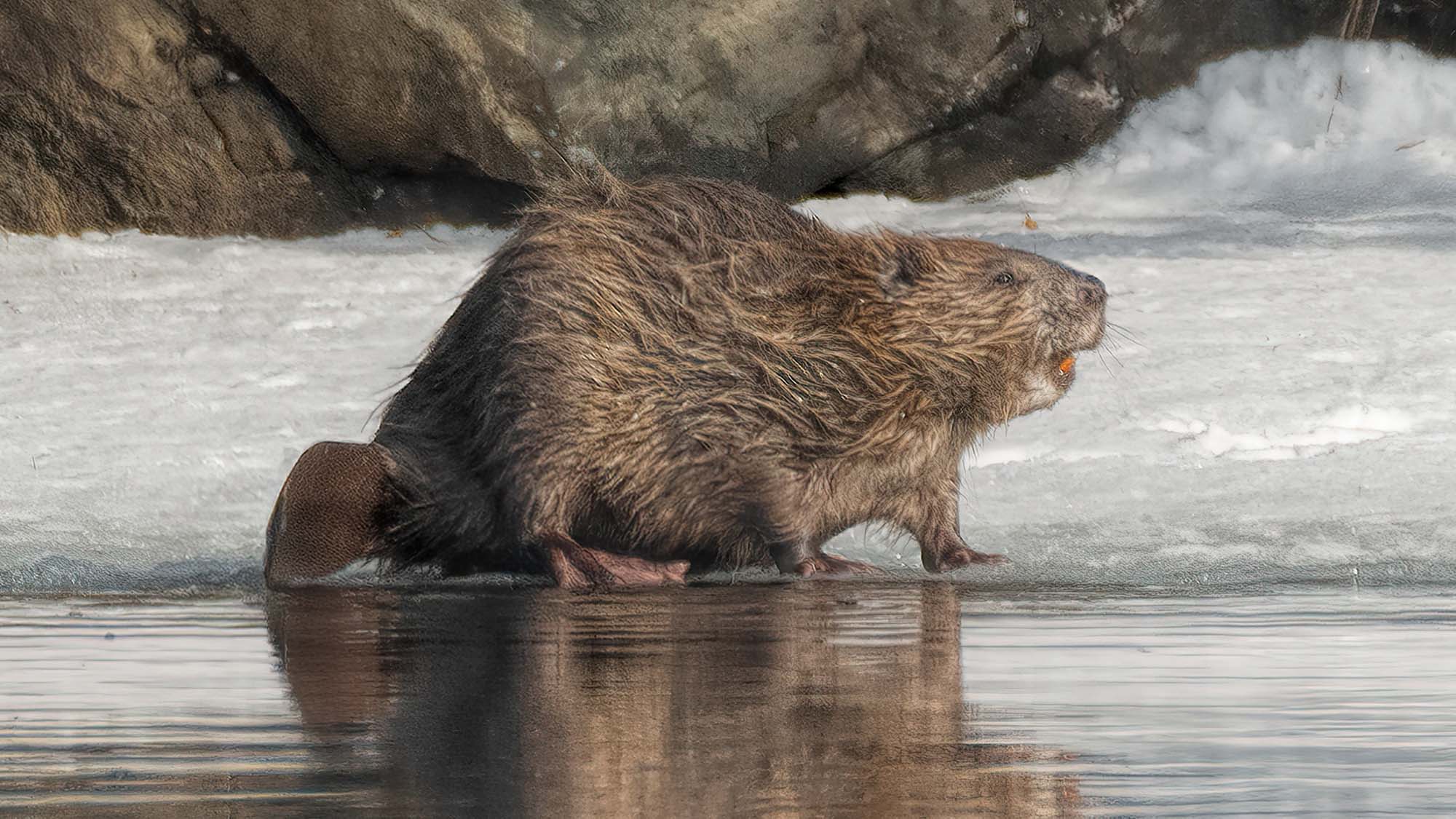
Gerty the Beaver
The North American beaver is one of two beaver species; the other is the Eurasian beaver. The North American beaver can be found in Canada, the United States, and Northern Mexico. Since beavers create lodges for themselves and their family, they do not have to migrate for the winter. Their lodges are made out of branches, logs, and thick foliage and are secured with a mud layer to keep out predators and trap in heat. Even if the water their lodge is in freezes, beavers create underwater passages so they can travel freely to find food and bring it back to their lodge.
Learn More About Beavers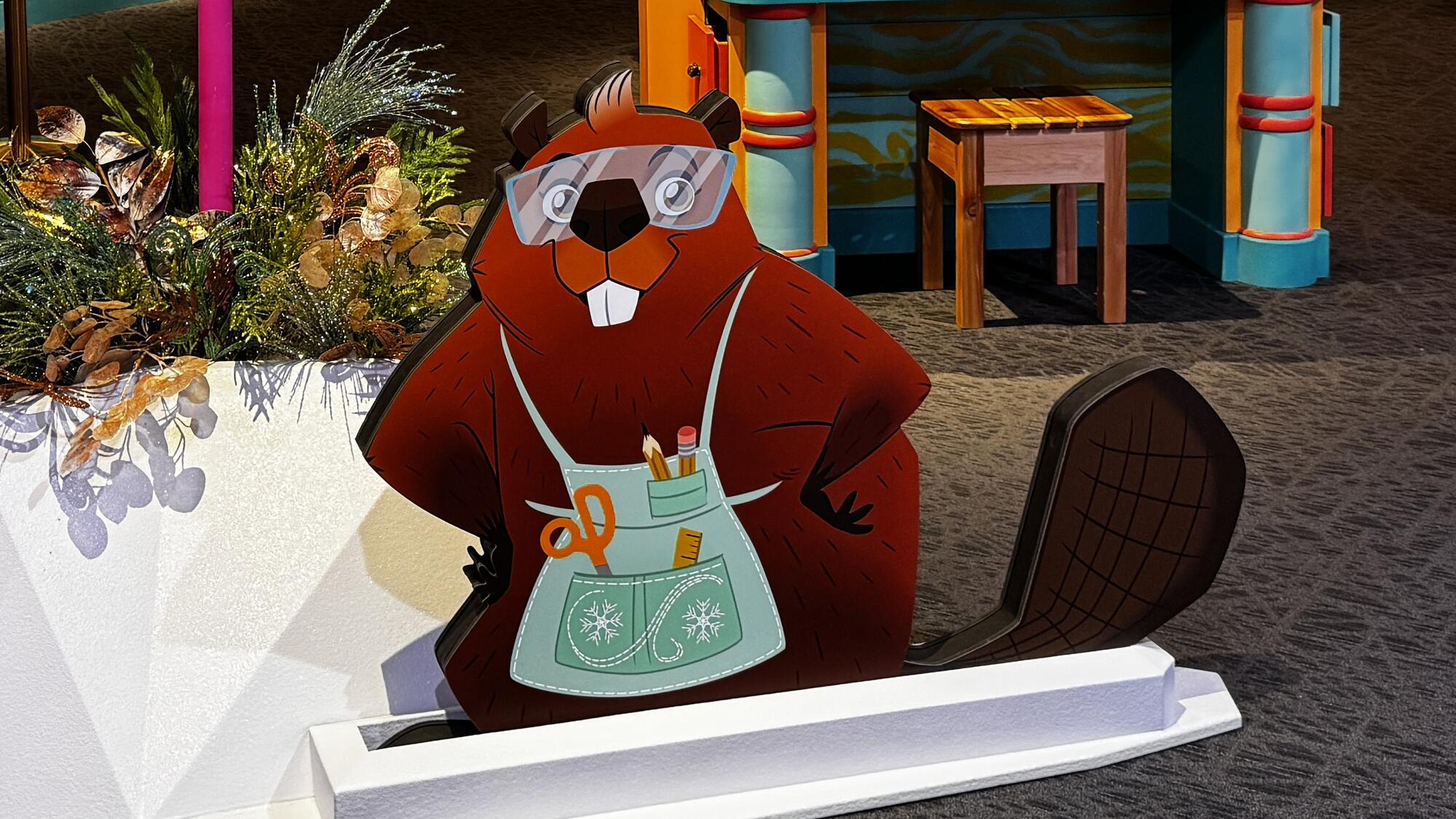
 Winter Survival Experts
These are only a few examples of what animals do to prepare for winter! There are countless different animals and species that prepare for winter in other ways. No matter the type of animal, they are all equipped biologically, or know how to protect themselves in extreme weather. They are winter survival experts.
WinterFaire is a magical indoor world featuring a festive, carnival-like atmosphere, fun-filled games, loveable critters, and hands-on activities. Play, laugh, and make lifelong memories together in this one-of-a-kind indoor winter experience. It's open Nov. 21, 2026–Feb. 15, 2027, and is included with museum admission.