Unearthing Giants: Mission Jurassic 2025 Update from the Jurassic Mile
Unearthing Giants: Mission Jurassic 2025 Update from the Jurassic Mile
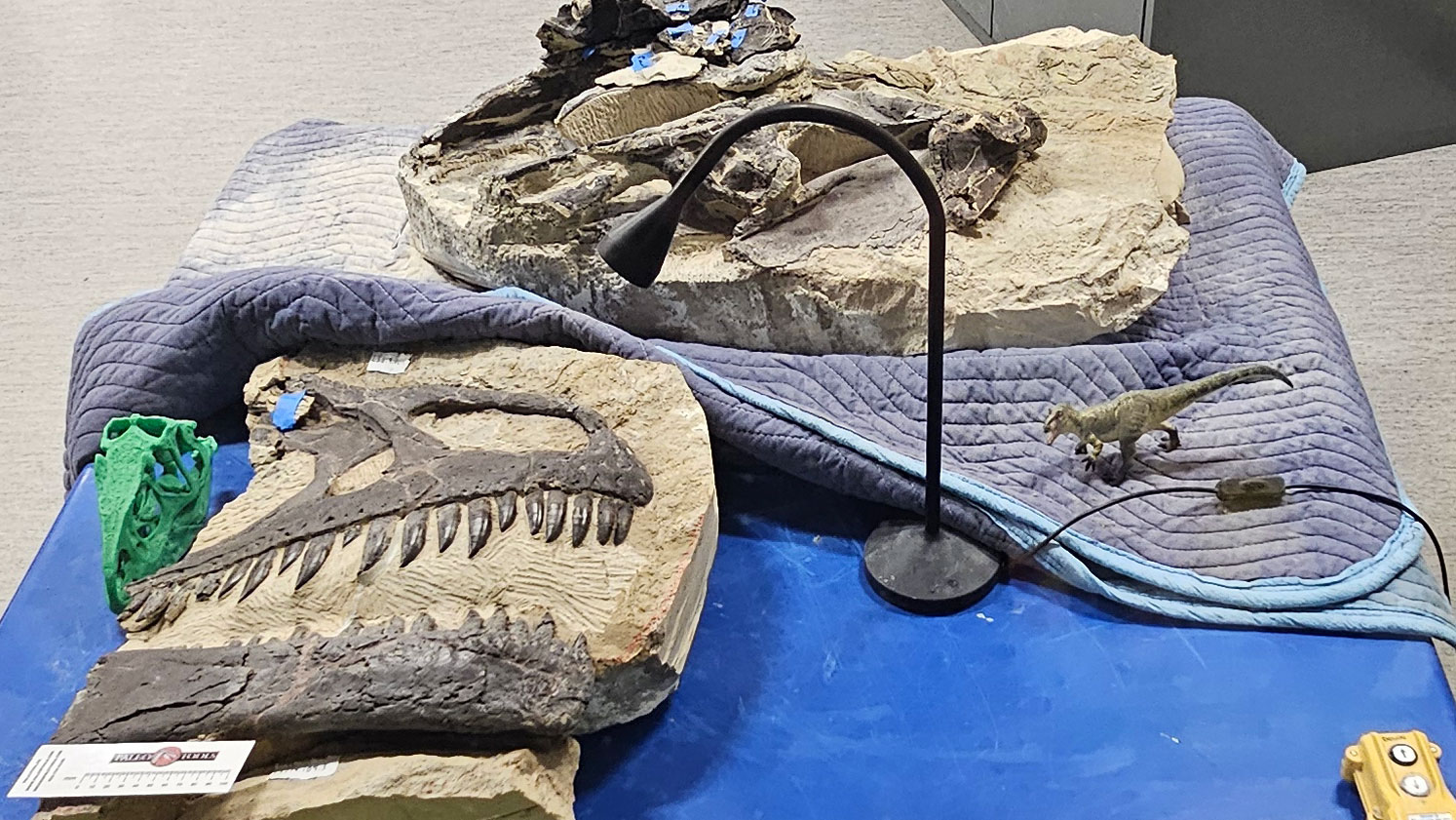
This summer, our Mission Jurassic™ team embarked on another thrilling chapter in the quest to uncover prehistoric wonders—and what a season it’s been! From the rugged terrain of Wyoming’s Jurassic Mile® dig site to museum labs across the country, we’ve made major strides in reconstructing our stunningly preserved Allosaurus specimen.
A Nearly Complete Skeleton
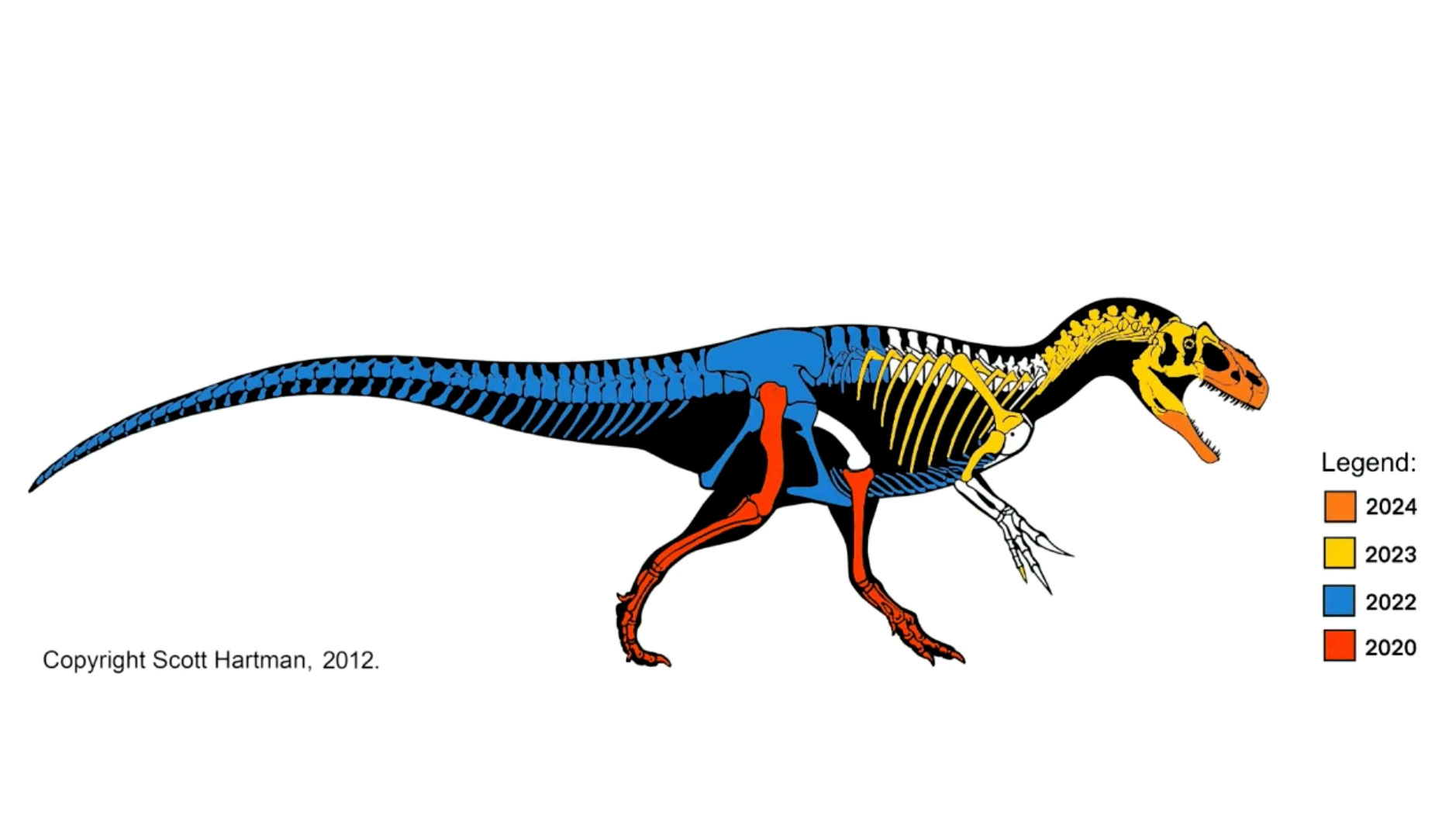
Over the past five years, we’ve been carefully collecting bones from a single Allosaurus individual. From skull to tail, the majority of this magnificent predator is now accounted for. While a few arm bones and vertebrae remain elusive, the completeness of this fossil is nothing short of extraordinary.
To fill in the gaps, our team hit the road with an Artec Leo 3D scanner in hand—visiting institutions like the Sternberg Museum, Sheridan College, and Brigham Young University. This 3,500+ mile road trip included a stop at Dinosaur National Monument, where our team encountered the Allosaurus jimmadseni type specimen—the first fossil of this Allosaurus species to be discovered. Our team scanned comparative Allosaurus specimens to digitally recreate missing elements with precision.
To fill in the gaps, our team hit the road with an Artec Leo 3D scanner in hand—visiting institutions like the Sternberg Museum, Sheridan College, and Brigham Young University. This 3,500+ mile road trip included a stop at Dinosaur National Monument, where our team encountered the Allosaurus jimmadseni type specimen—the first fossil of this Allosaurus species to be discovered. Our team scanned comparative Allosaurus specimens to digitally recreate missing elements with precision.
Why Are We Using 3D Scans?
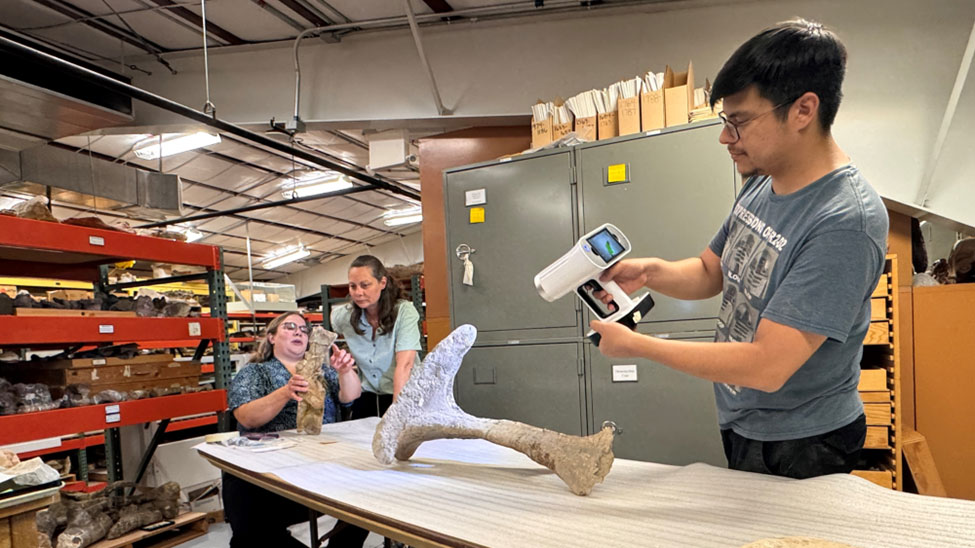
Historically, paleontologists would create molds from fossils to fill in missing pieces from fossil skeletons. This practice is messy, time consuming, and can cause chemical and physical changes to the fossil itself. Today, our scientists use advanced 3D imaging technology to create highly accurate models that can be 3D printed. This is not only faster, but since it is only subjected to light, safer for the fossil. These scans can also be scaled up or down to match the size of the specimen mount they are filling precisely.
Fieldwork at the Jurassic Mile®
Back at our home base in Wyoming, the dig season was shorter than usual—just two weeks in July—but packed with impact. Our annual family-oriented Wyoming Dinosaur Dig brought 31 enthusiastic participants, all decked out in bright green shirts and ready to uncover ancient secrets. Families unearthed theropod teeth, and continued excavations in the sauropod bone bed.
This dig also marked another milestone in our collaboration with Naturalis Biodiversity Center in the Netherlands. Their team is now excavating a large diplodocid skeleton that is destined to become a centerpiece in their permanent Jurassic gallery within the next few years.
This dig also marked another milestone in our collaboration with Naturalis Biodiversity Center in the Netherlands. Their team is now excavating a large diplodocid skeleton that is destined to become a centerpiece in their permanent Jurassic gallery within the next few years.
Looking Ahead
As we wrap up this season, plans are already underway for a major excavation push next year. We aim to bring in heavy equipment to thoroughly search the Allosaurus layer and ensure no bone is left behind. With each scan, dig, and discovery, we’re not just building a skeleton—we’re building a legacy of scientific exploration and global collaboration.
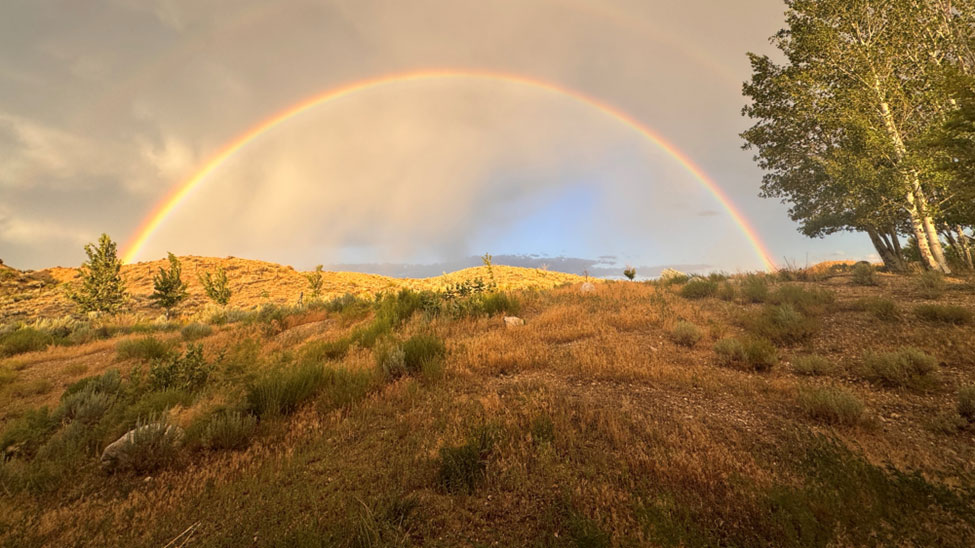
From rainbows over the Wyoming sunset to the hum of scanners in museum halls, Mission Jurassic™ continues to be a dream realized. It’s a testament to the power of curiosity, teamwork, and the enduring magic of dinosaurs.
The next time you visit The Children’s Museum, be sure to stop by the paleo prep labs in our Dinosphere® exhibit. You can witness history in the making as our paleontologists continue to work on this amazing Allosaurus specimen.
From rainbows over the Wyoming sunset to the hum of scanners in museum halls, Mission Jurassic™ continues to be a dream realized. It’s a testament to the power of curiosity, teamwork, and the enduring magic of dinosaurs.
The next time you visit The Children’s Museum, be sure to stop by the paleo prep labs in our Dinosphere® exhibit. You can witness history in the making as our paleontologists continue to work on this amazing Allosaurus specimen.


